Stakeholder/Partners: SAVE Organization
Location: Keats, KS
Year/Timeline: 2015-17
Area of Focus: Supportive Housing to Prevent Veteran Suicide
Department/Courses Involved: IAID – Capstone Studio led by Professor Vibhavari Jani
Project Funding: K-State Center for Engagement and Community Development
Executive Summary: SAVE, a Manhattan-based organization, partnered with the IAID Capstone Studio at Kansas State University, led by Professor Vibhavari Jani, to design supportive housing for veterans returning from the Iraq and Afghanistan conflicts. Situated within a proposed 450-acre agricultural campus in Keats, Kansas, the project integrates healing, community, and education. Interior Architecture students collaborated with Wounded Warrior Battalion members, as well as military and medical professionals from Fort Riley and Topeka Rehabilitation Hospital, to understand veterans’ physical and emotional needs. The resulting prototype envisions a restorative living environment where veterans can reside, recover, and engage in agricultural training within a supportive community setting.
Project Description: SAVE, a Manhattan-based organization, partnered with the IAID Capstone Studio at Kansas State University, led by Professor Vibhavari Jani, to design a supportive housing prototype for veterans returning from the Iraq and Afghanistan conflicts. This initiative emerged in response to the urgent crisis of veteran suicide, with national estimates indicating that 22 veterans die by suicide each day. Many returning service members face complex challenges, including post-traumatic stress disorder (PTSD), traumatic brain injury (TBI), amputations, and other physical and psychological conditions that make reintegration into civilian life difficult.
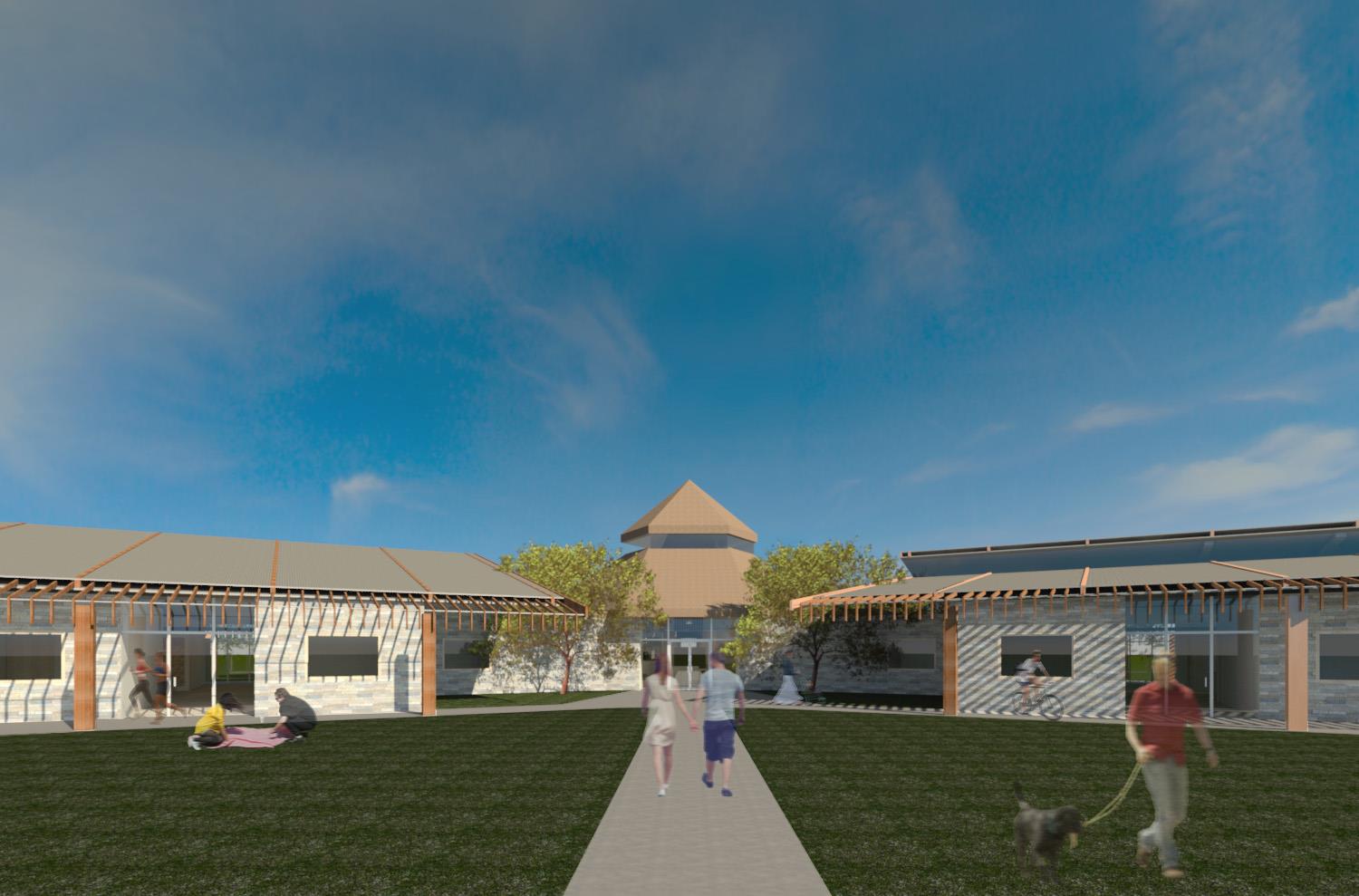
Located within SAVE’s proposed 450-acre agricultural campus in Keats, Kansas, the project reimagines housing as a therapeutic environment that fosters healing, dignity, and connection. Interior Architecture students engaged directly with Wounded Warrior Battalion members at Fort Riley, along with military and medical professionals from Fort Riley and Topeka Rehabilitation Hospital, to deeply understand the lived experiences and needs of wounded veterans.
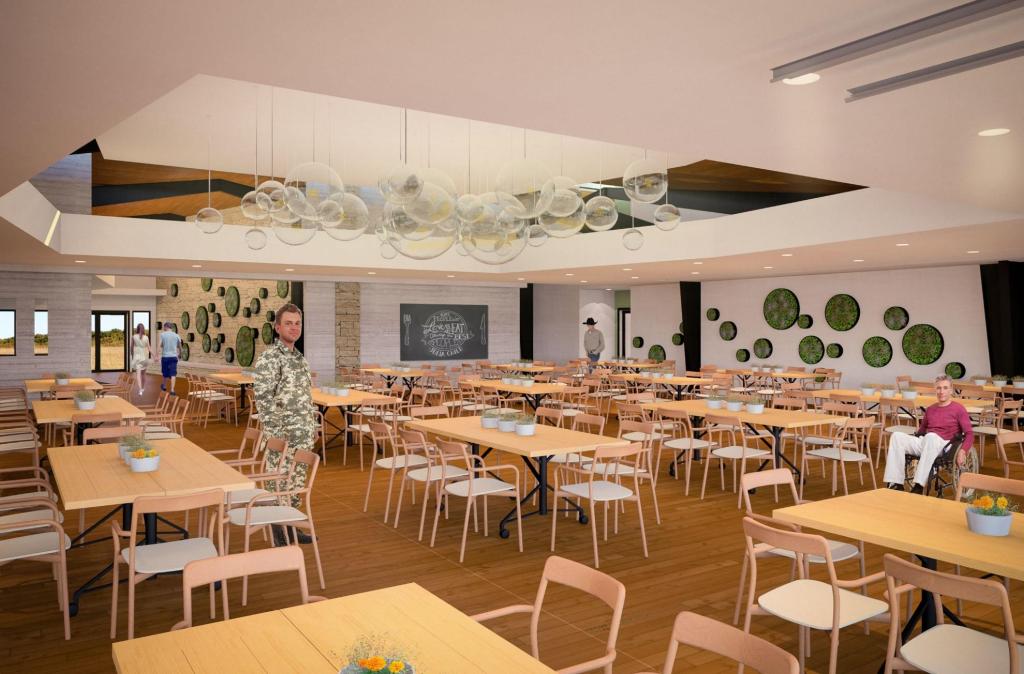
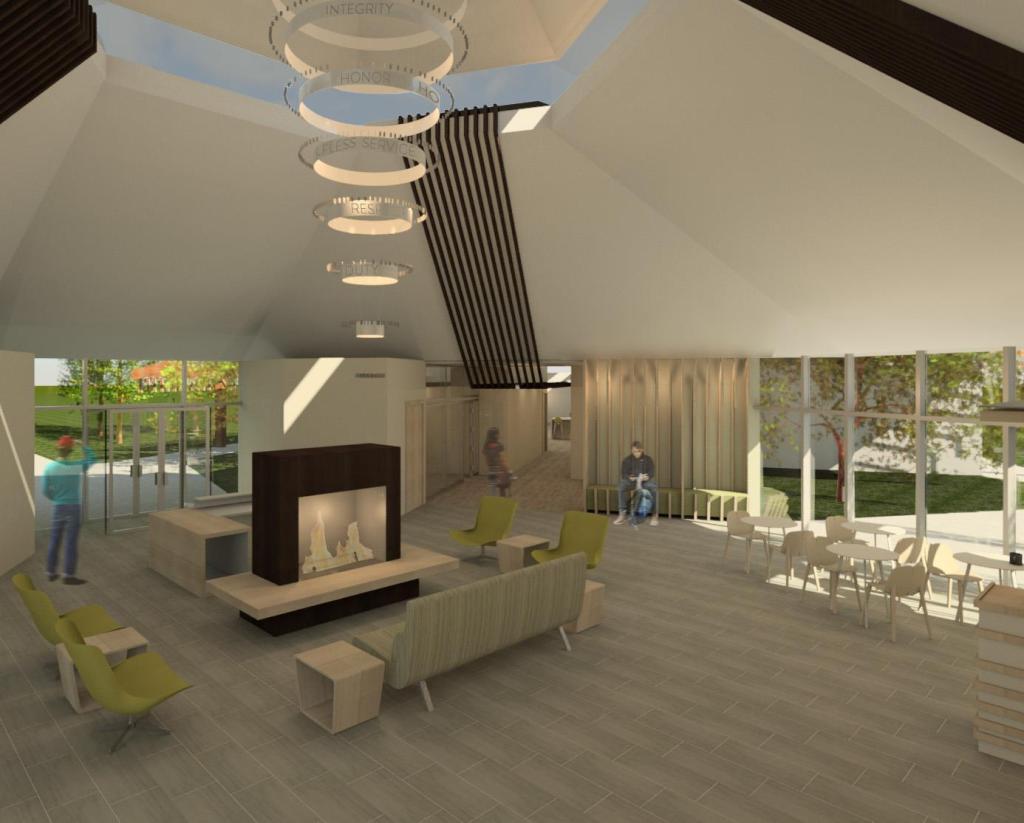
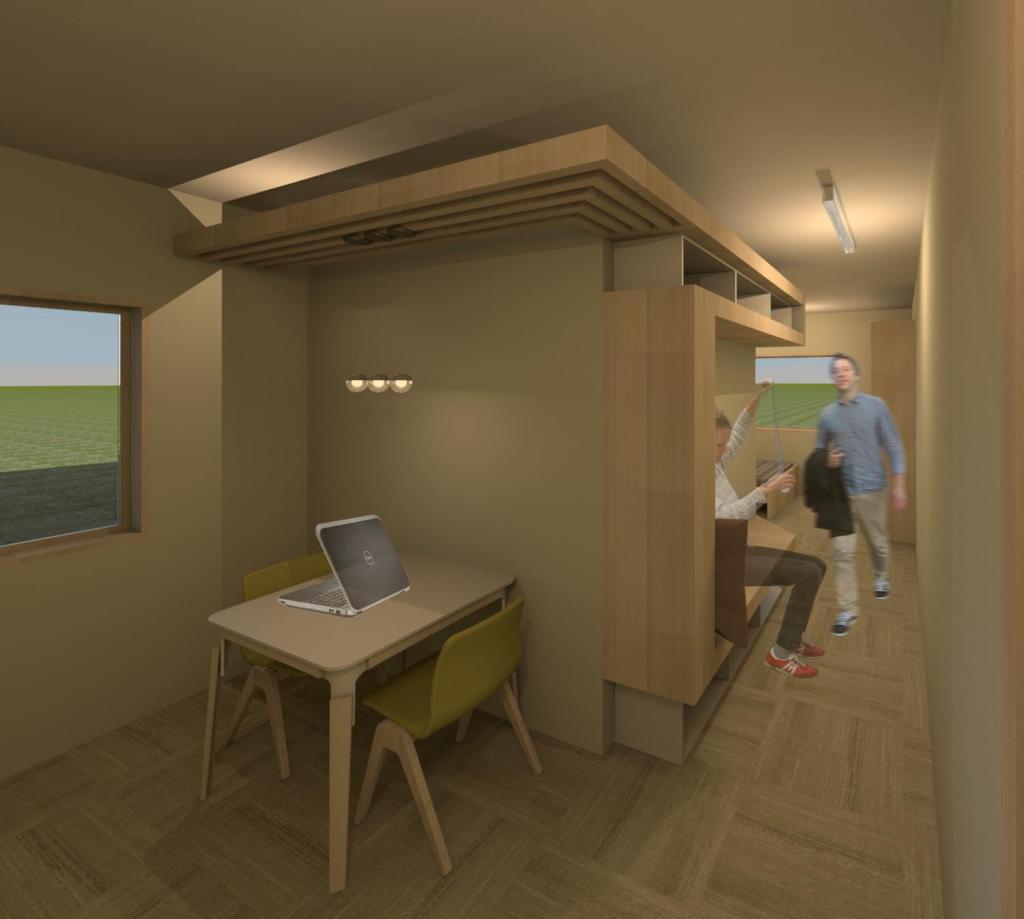
The resulting design proposes a dormitory-style residential model that balances privacy with community. By incorporating a “buddy system,” the housing promotes peer support and accountability—key factors in reducing isolation and preventing suicide. At the same time, the design emphasizes comfort, familiarity, and a sense of home, creating spaces where veterans can feel safe and supported.
Integrated within an agricultural setting, the housing is part of a broader vision that includes hands-on training and therapeutic engagement with the land. This holistic approach supports not only physical rehabilitation but also emotional resilience, purpose, and camaraderie. The project serves as a prototype for a community-centered, trauma-informed living environment dedicated to restoring well-being and hope for wounded veterans.

