Location: Raliegh, NC, USA
Year/Timeline: 2024
Area of Focus: Affordable Housing for emerging professionals
Department/Courses Involved: IAID – APDesign, KSU – Capstone Studio (IARC 810) Led by Prof. Vibhavari Jani
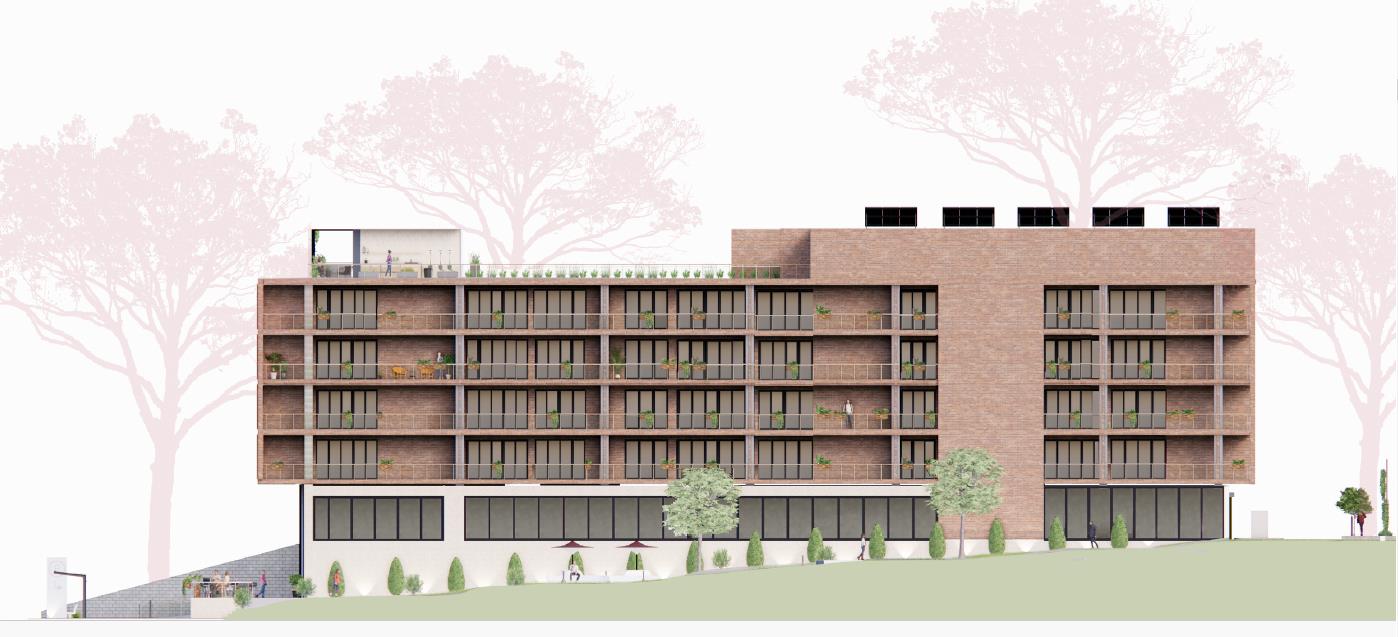
Executive Summary: In a post-pandemic reality, social isolation has intensified, driven by remote work and lingering effects of distancing practices. Young professionals, particularly those relocating or living independently for the first time, face heightened challenges in establishing meaningful connections and a sense of belonging. Simultaneously, the growing inaccessibility of affordable housing further exacerbates emotional and physical stress. Housing is not merely shelter—it is a critical framework through which individuals engage with community and place. This project designers Chloe Aufderheide, Reagan Roberts, Emily Werth, Analiese Wilhauk, led by Professor Vibhavari Jani, emphasized the urgent need for thoughtfully designed, affordable living environments that foster social connection, support well-being, and cultivate inclusive, resilient communities for emerging generations.
Project Description: In a post-pandemic context, social isolation has intensified into a critical public health and design challenge, driven by remote work, digital lifestyles, and diminished opportunities for in-person interaction. In the United States, approximately 16% of adults report experiencing persistent loneliness, with young professionals particularly vulnerable as they relocate, transition into independent living, and attempt to establish new social networks. Loneliness is not merely emotional—it is linked to increased risks of depression, heart disease, stroke, and cognitive decline, underscoring its profound impact on overall well-being. Concurrently, the housing affordability crisis has limited access to stable, supportive living environments, with rising costs placing disproportionate strain on emerging professionals.
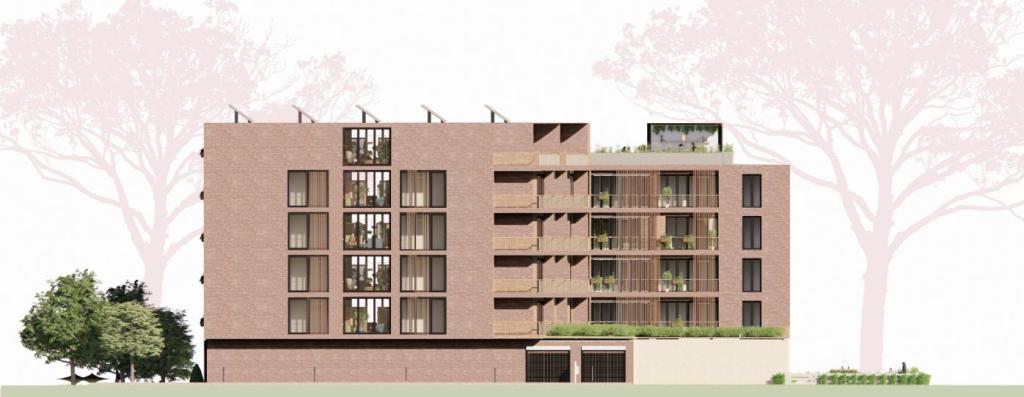
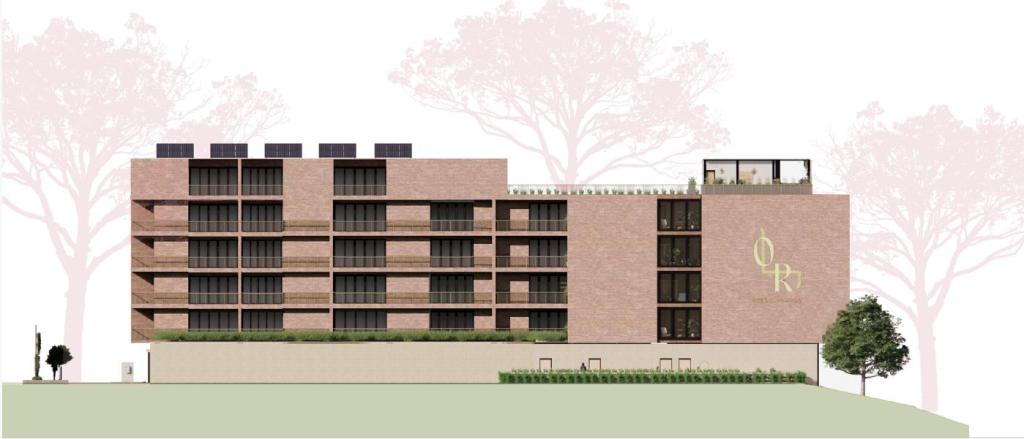
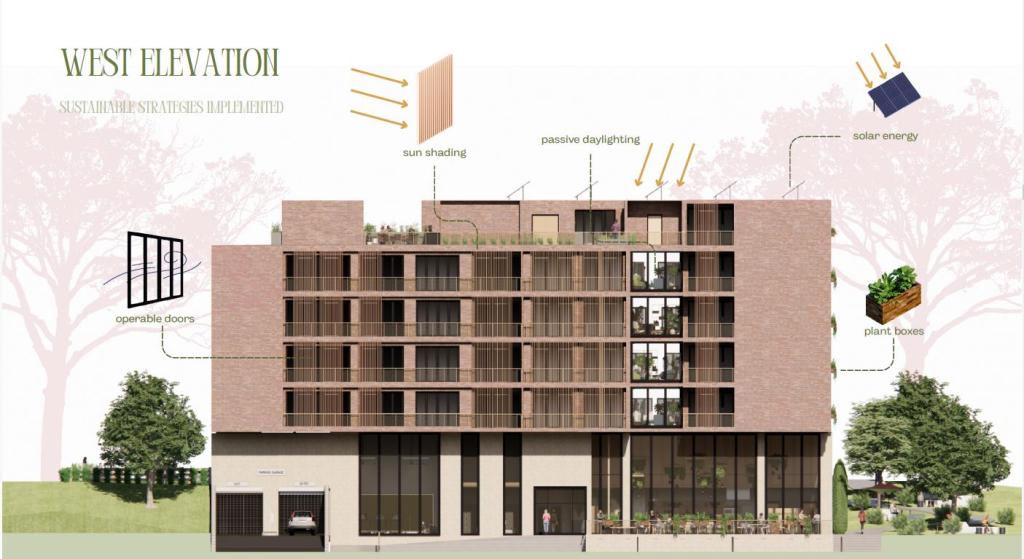
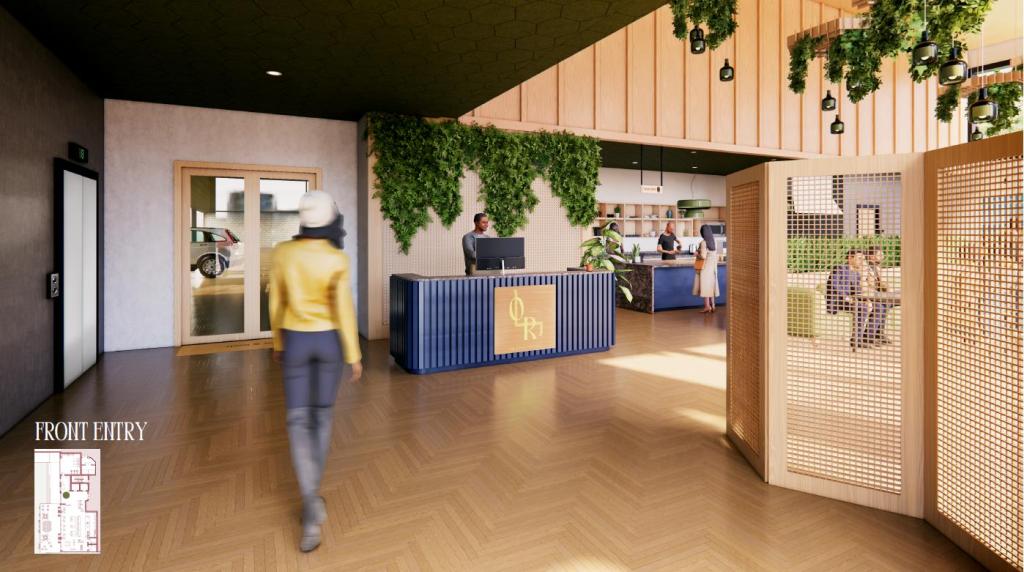
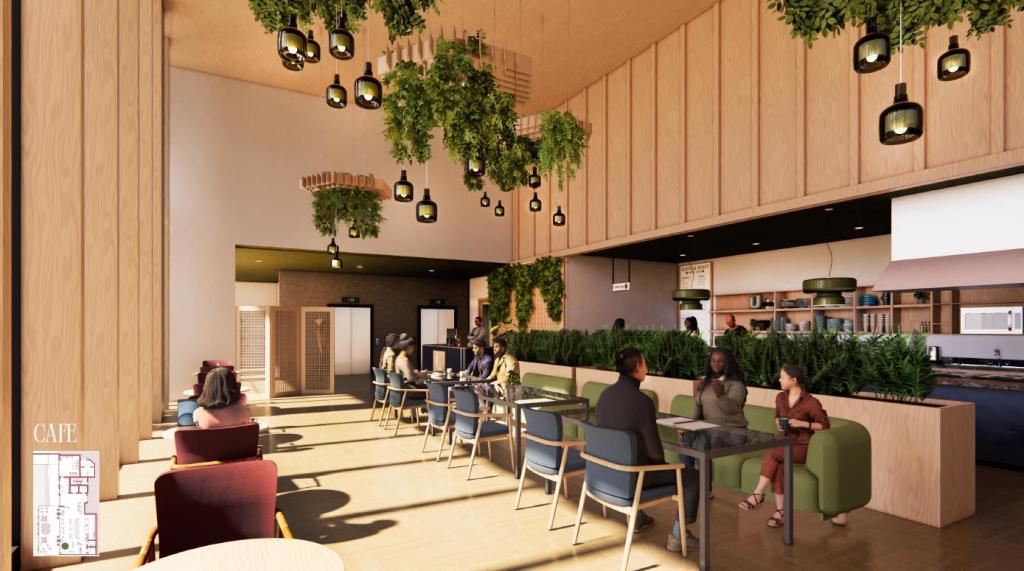
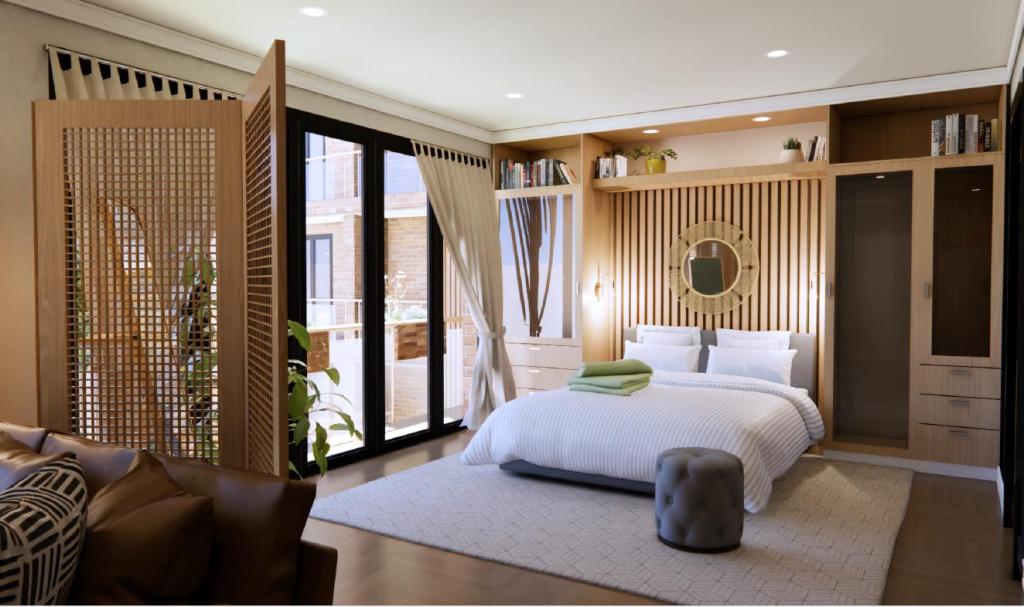
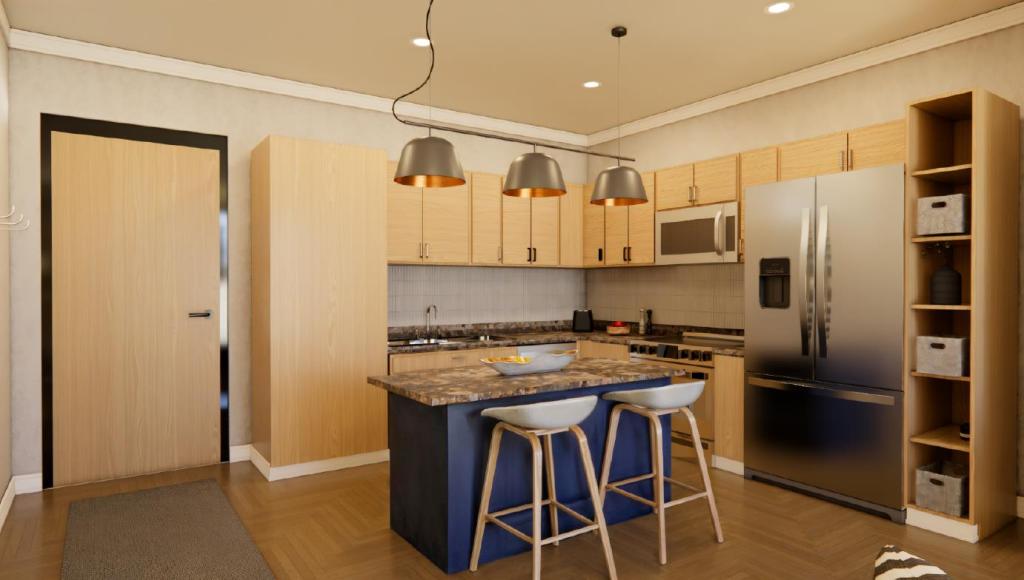
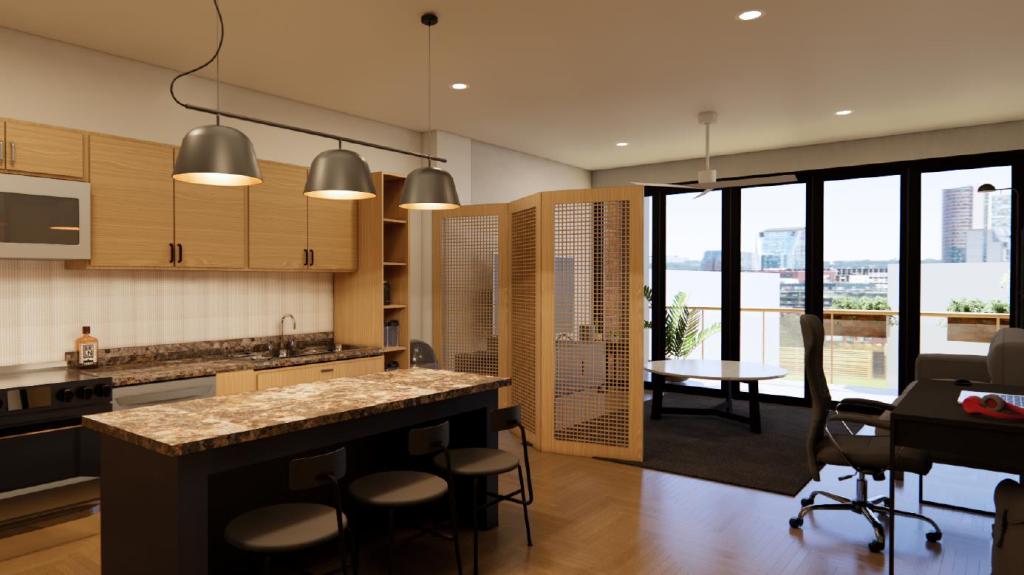
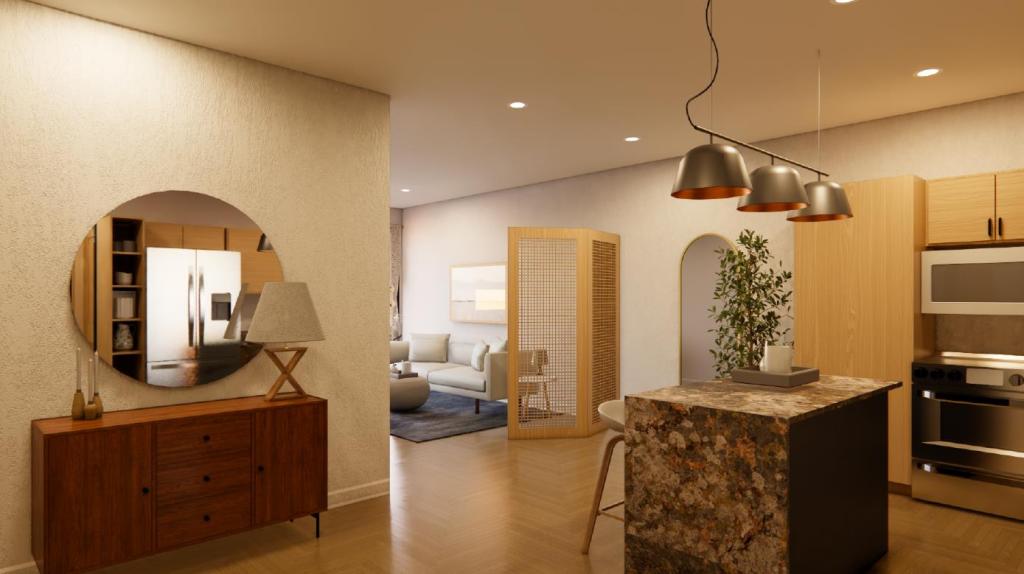
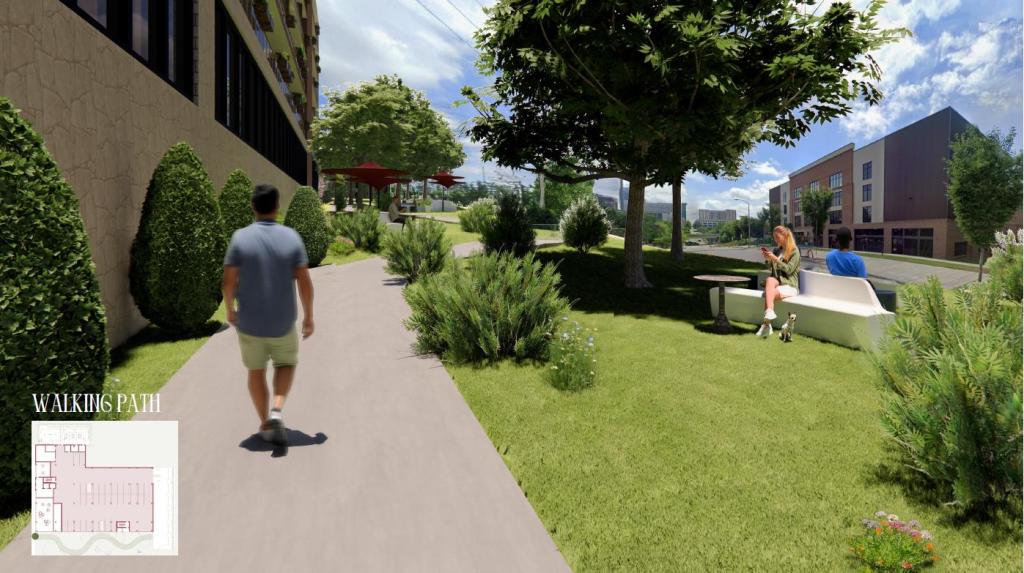
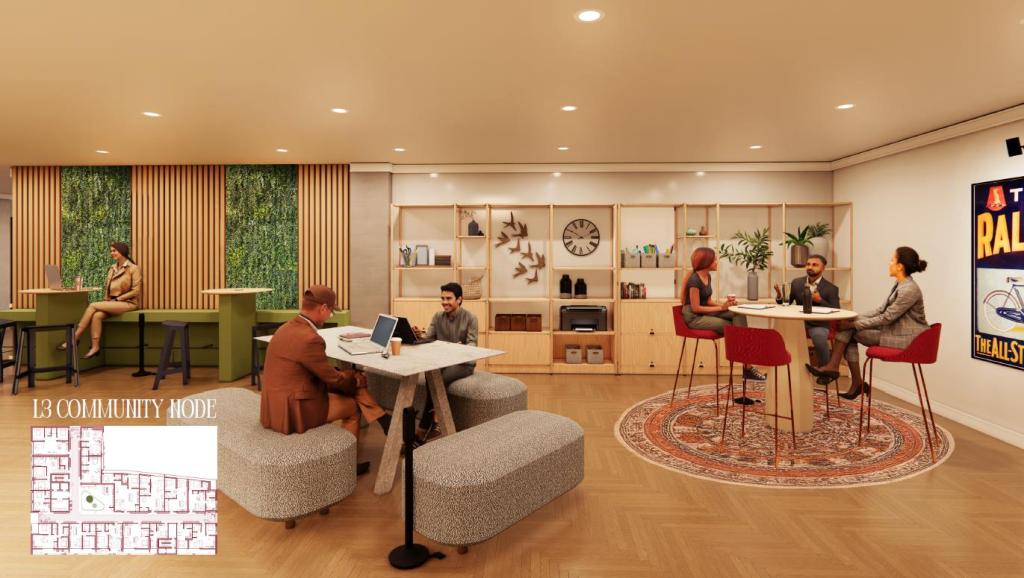
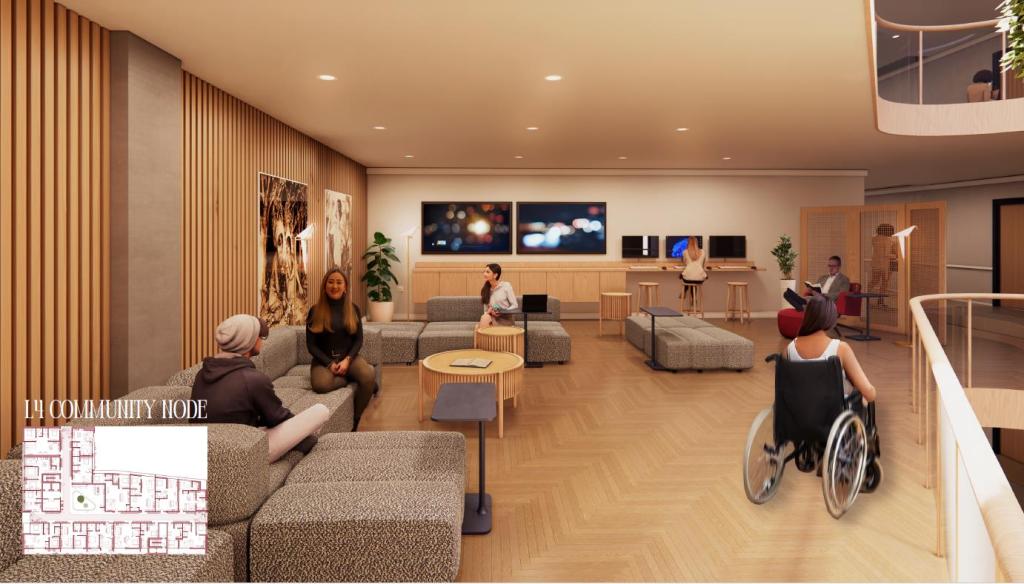
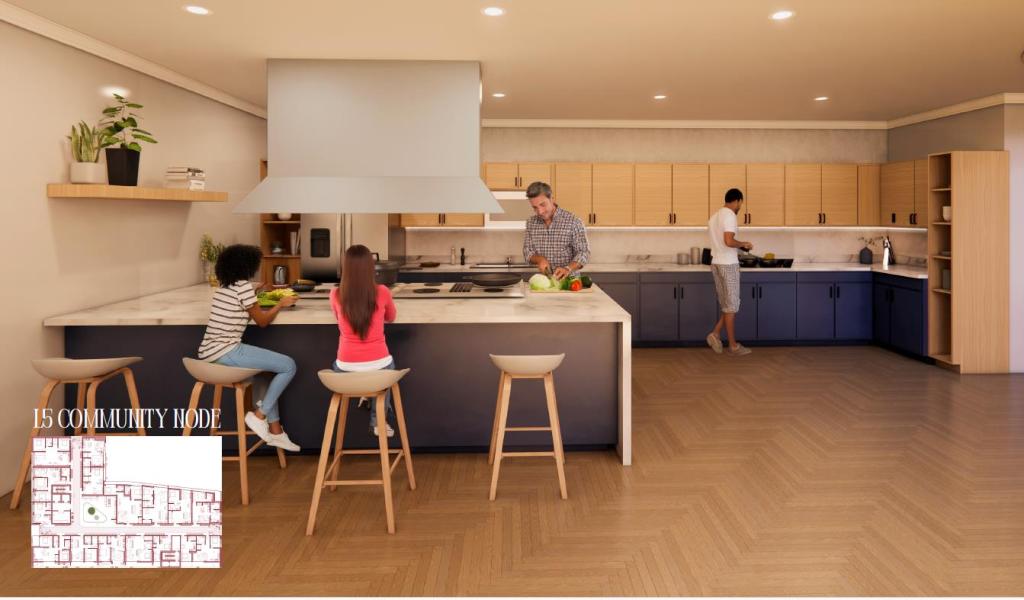
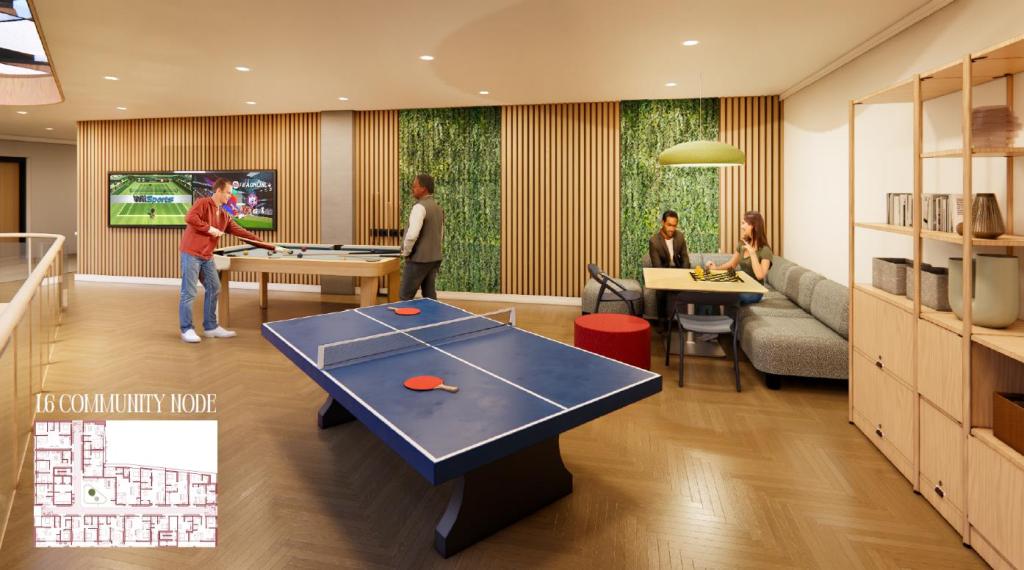
This project positions housing not simply as shelter, but as essential social infrastructure—an active agent in shaping human connection, well-being, and community resilience. Grounded in research linking social engagement to improved mental and physical health, the design reimagines affordable housing through a human-centered, evidence-based lens. It integrates intentional spatial strategies that foster both spontaneous and structured interaction, including layered thresholds between private and shared spaces, adaptable communal zones, and circulation paths designed as social connectors rather than transitional voids.
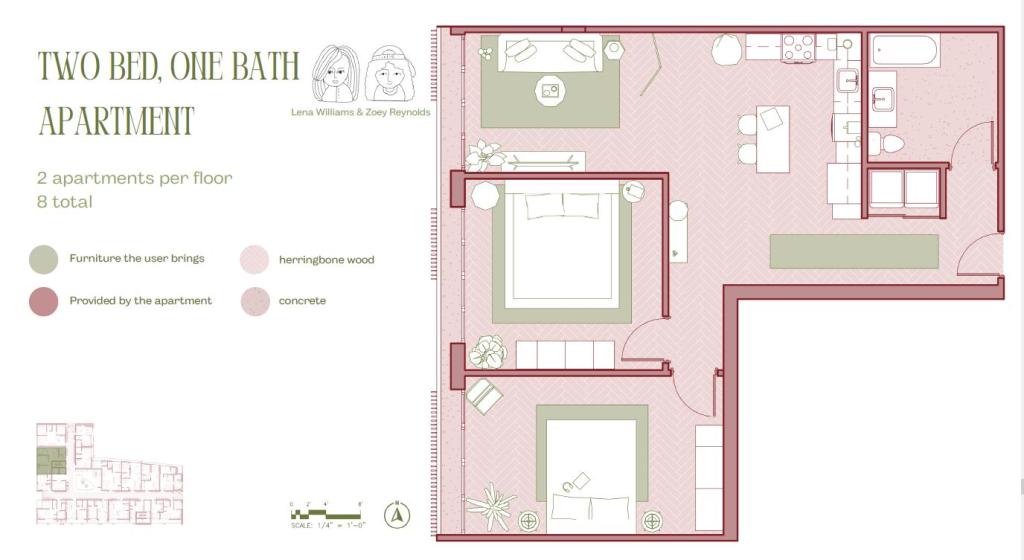
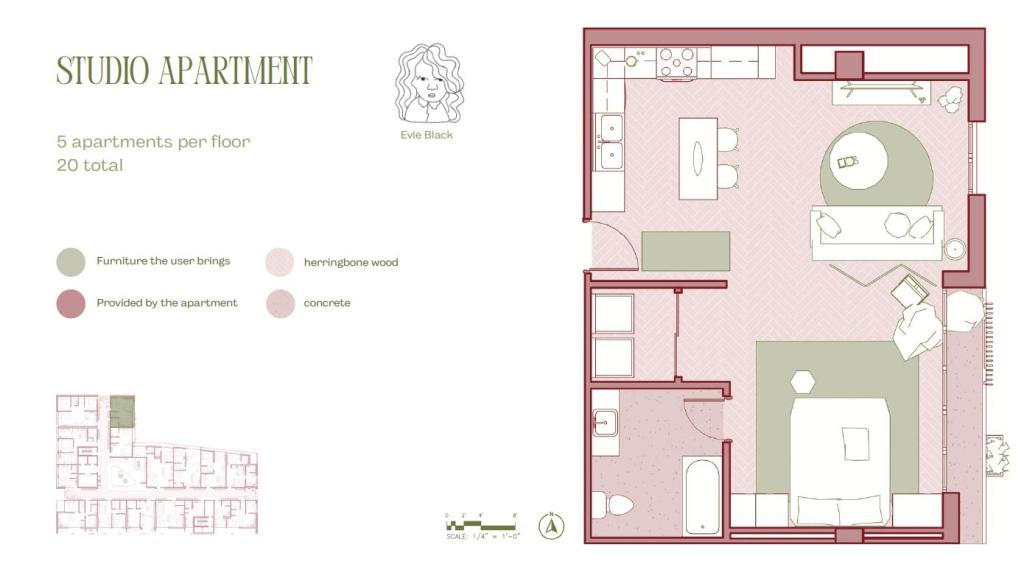
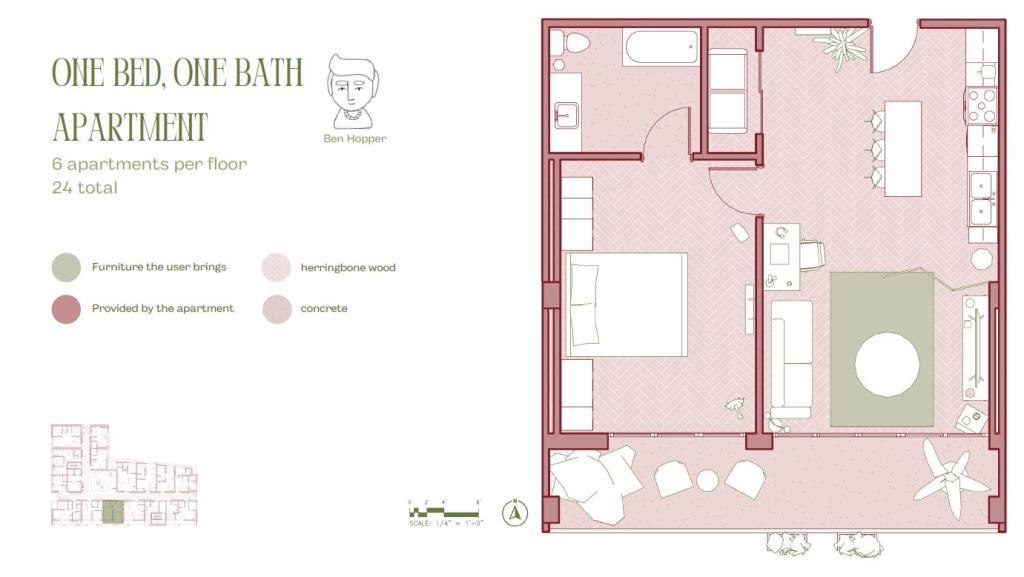
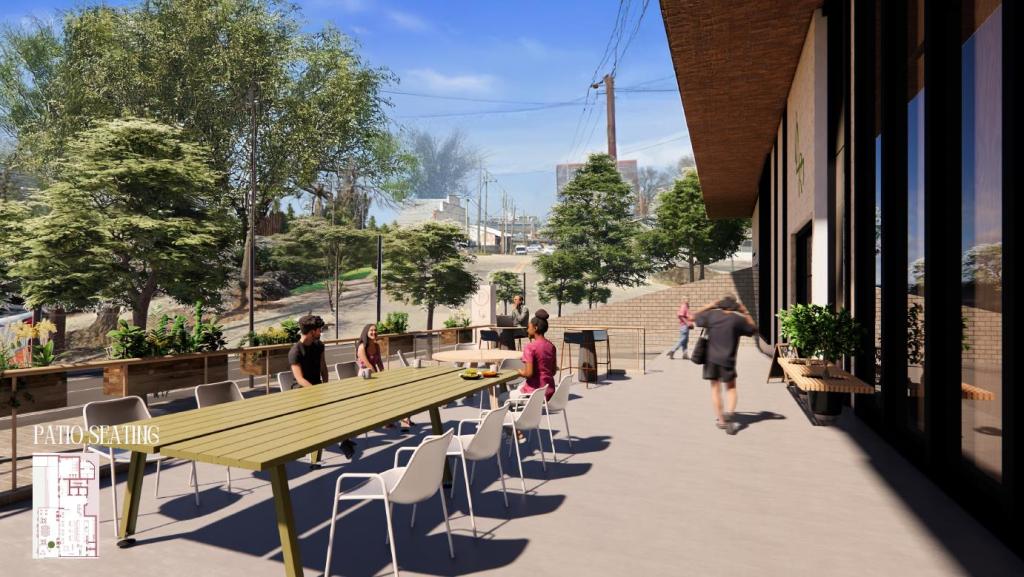
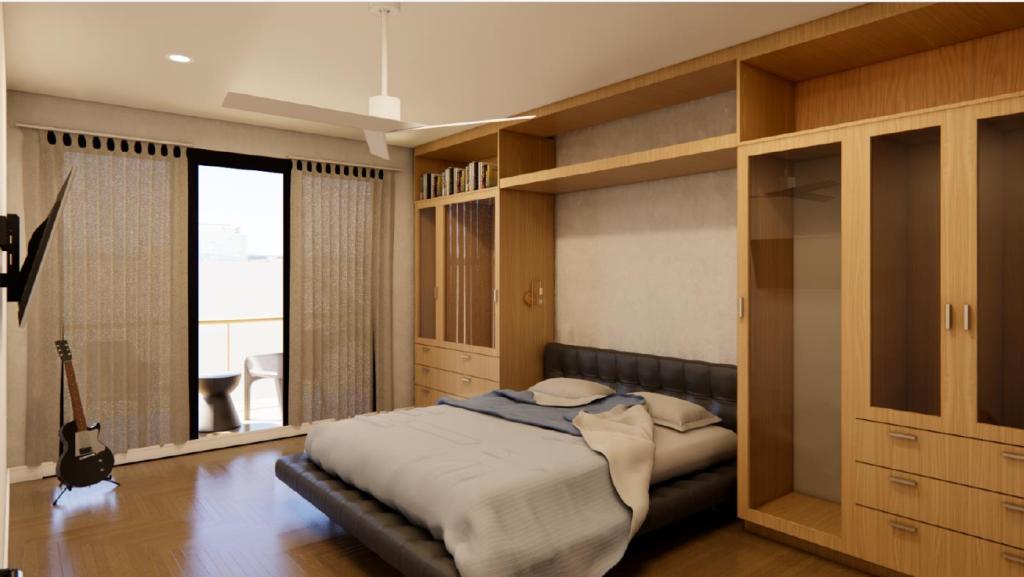
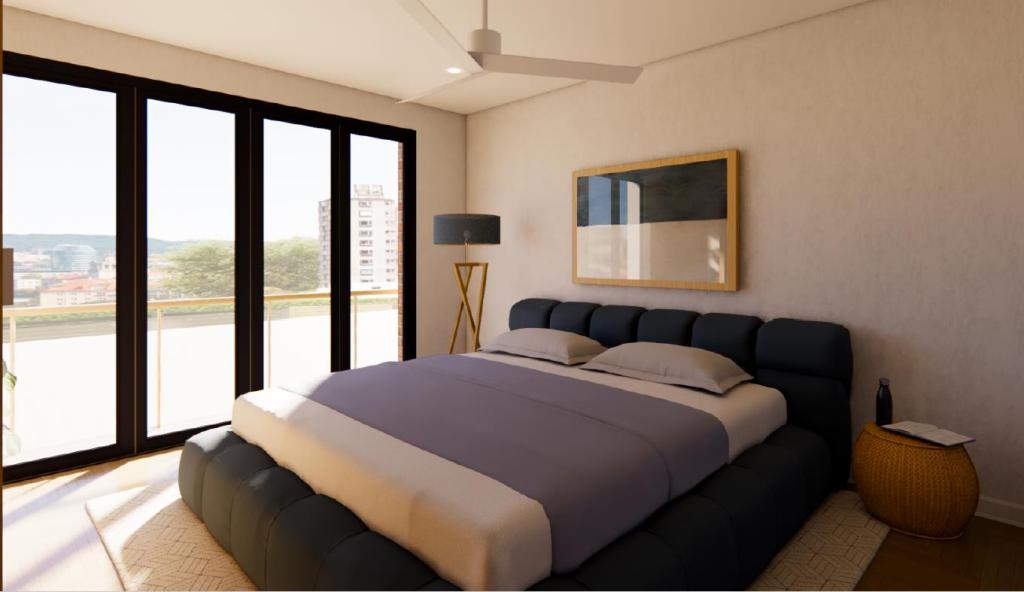
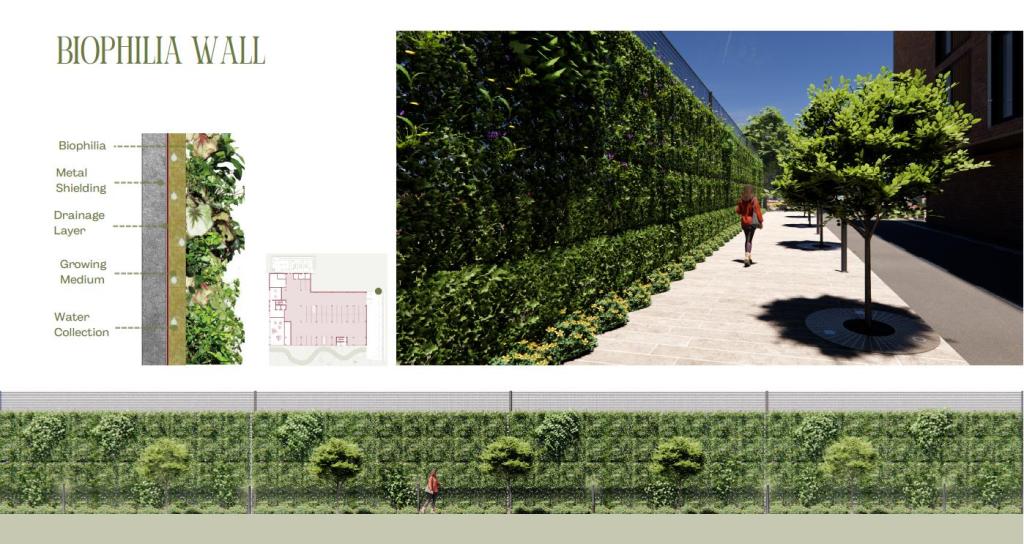
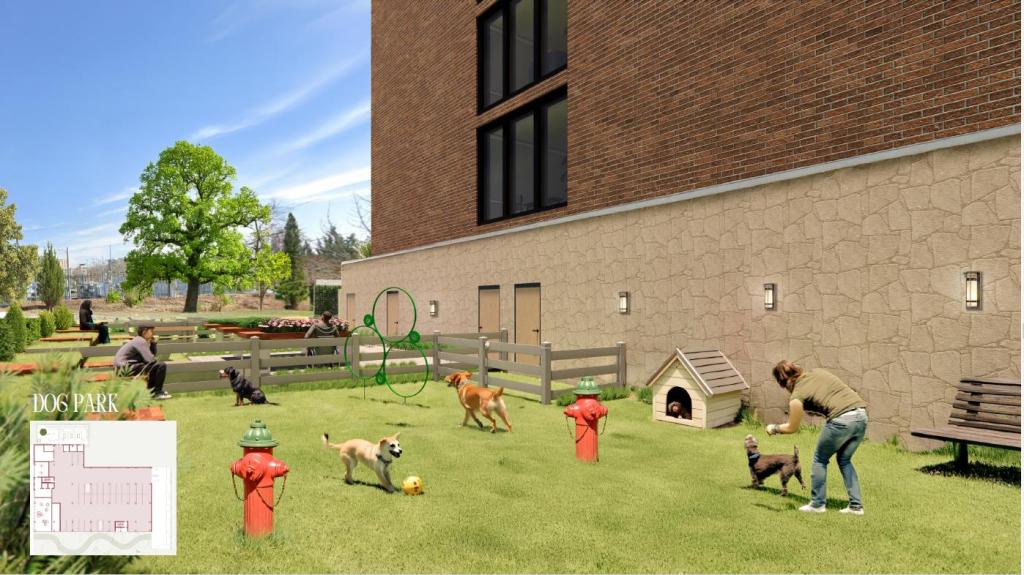
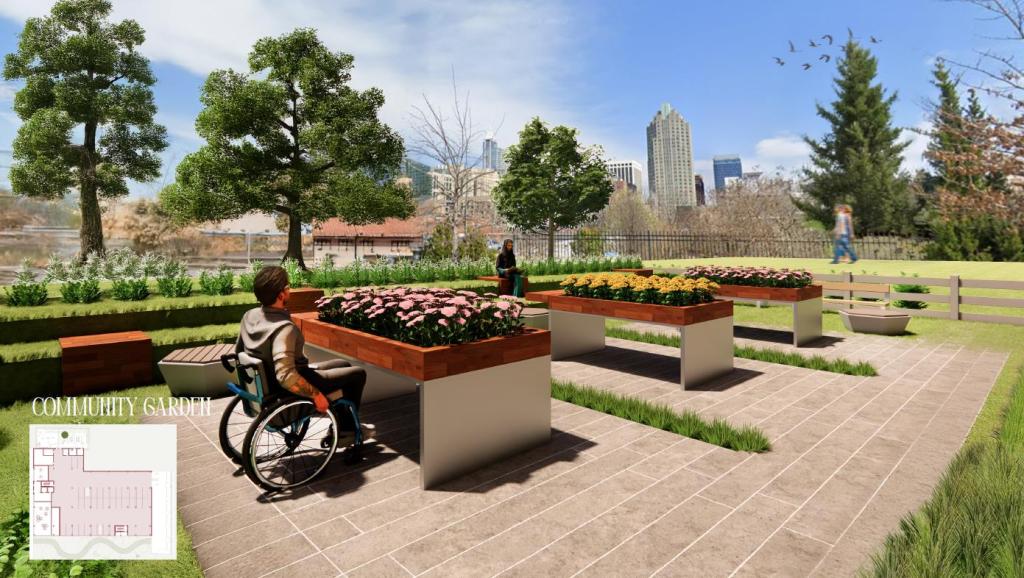
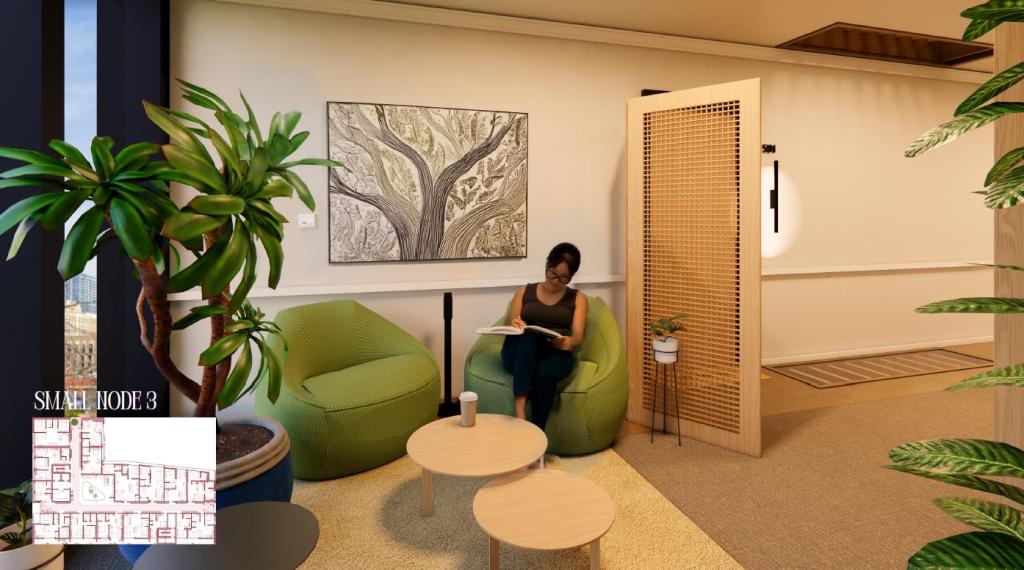
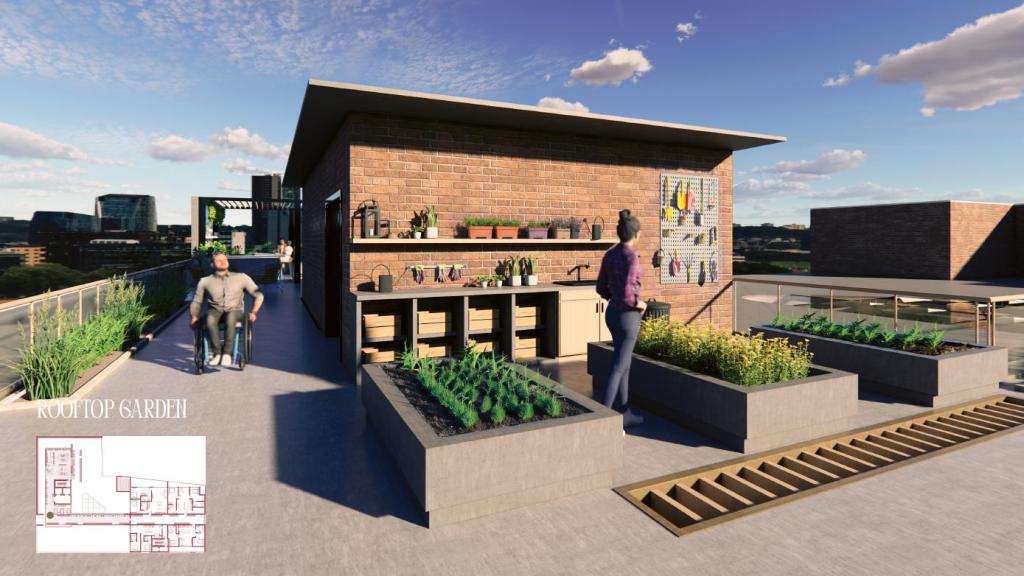
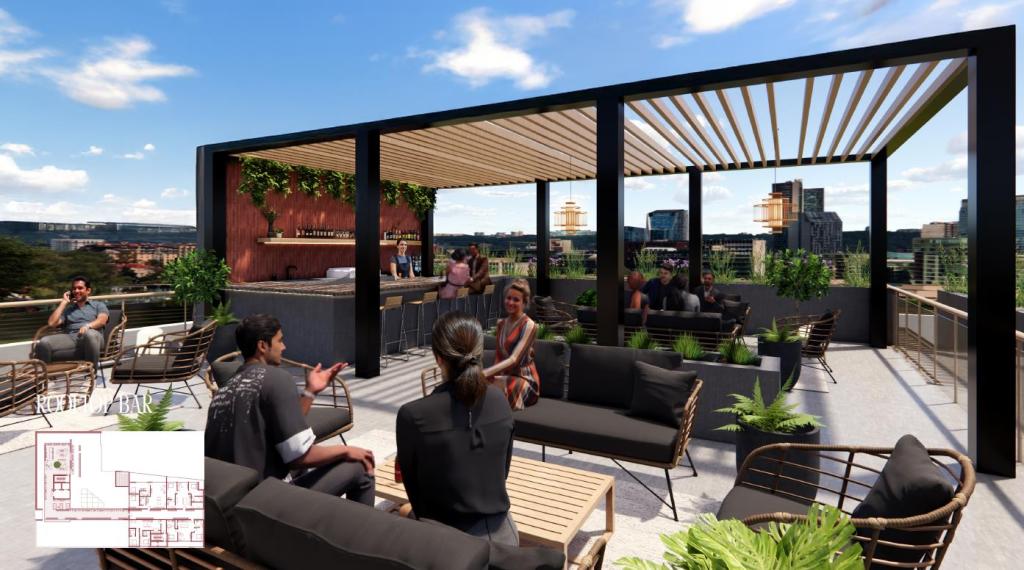
Biophilic principles further enhance well-being by embedding access to daylight, vegetation, and natural materials, while shared outdoor environments encourage collective activity and informal gathering. The design prioritizes inclusivity and flexibility, accommodating diverse lifestyles and evolving needs while maintaining affordability through efficient planning and resource-conscious material strategies.
By transforming housing into a platform for connection, this project directly addresses the dual crises of loneliness and housing inaccessibility for emerging professionals. It demonstrates how thoughtful, research-informed design can move beyond functional provision to actively cultivate belonging, support emotional and physical health, and strengthen community networks. Ultimately, the work advances a paradigm in which affordable housing is not defined by constraint, but by its capacity to enrich human experience, foster social cohesion, and contribute to a more equitable and resilient built environment.
 Kansas Better Housing Consortium