Stakeholder/Partners: Habitat for Humanity of the Northern Flint Hills, Prairie Band Agriculture
Location: Manhattan Ogden, KS
Area of Focus: Hempcrete, Hemp Insulation, Zero Carbon Construction
Department/Courses Involved: Architecture
Project Funding: K-State 105 Engagement Initiative
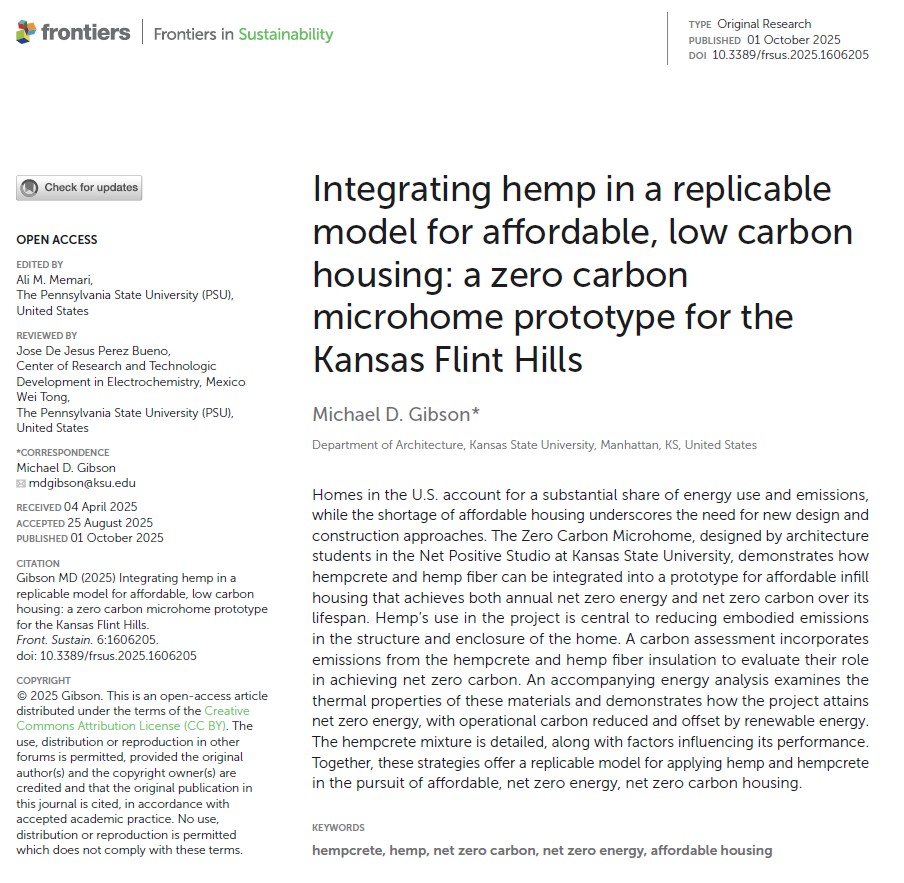
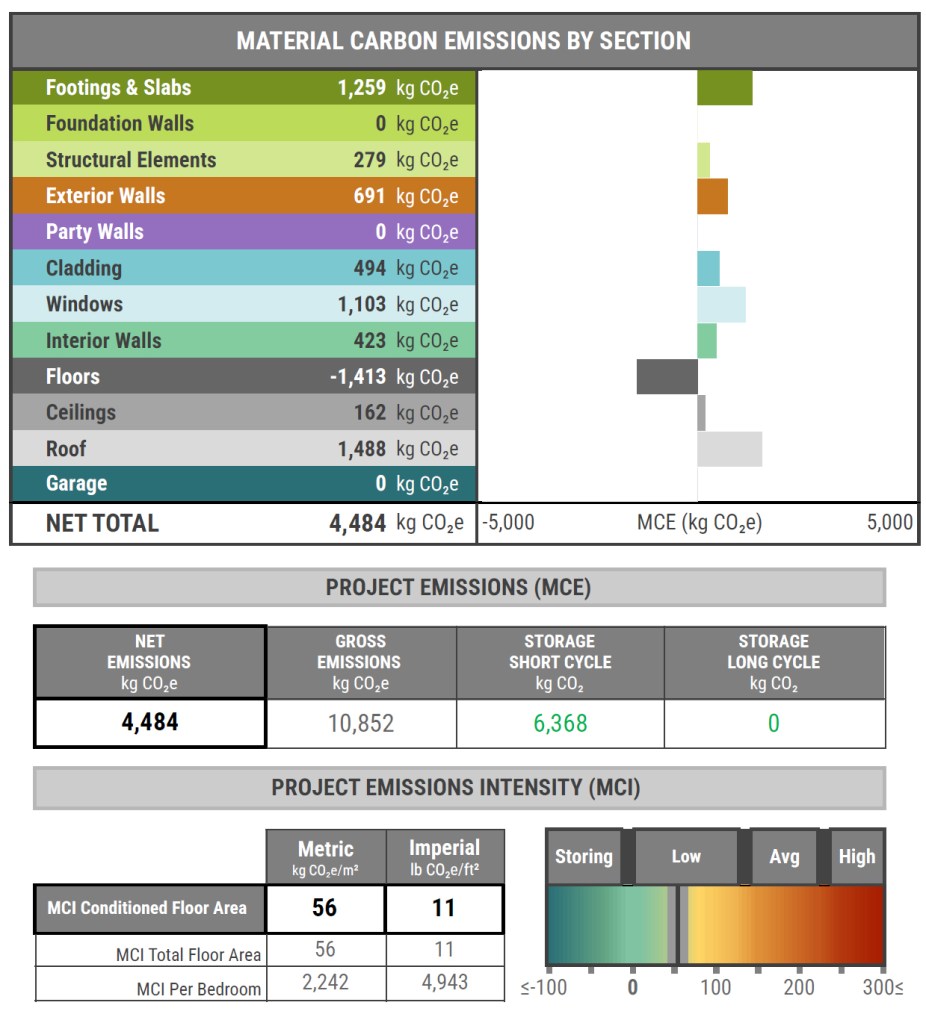
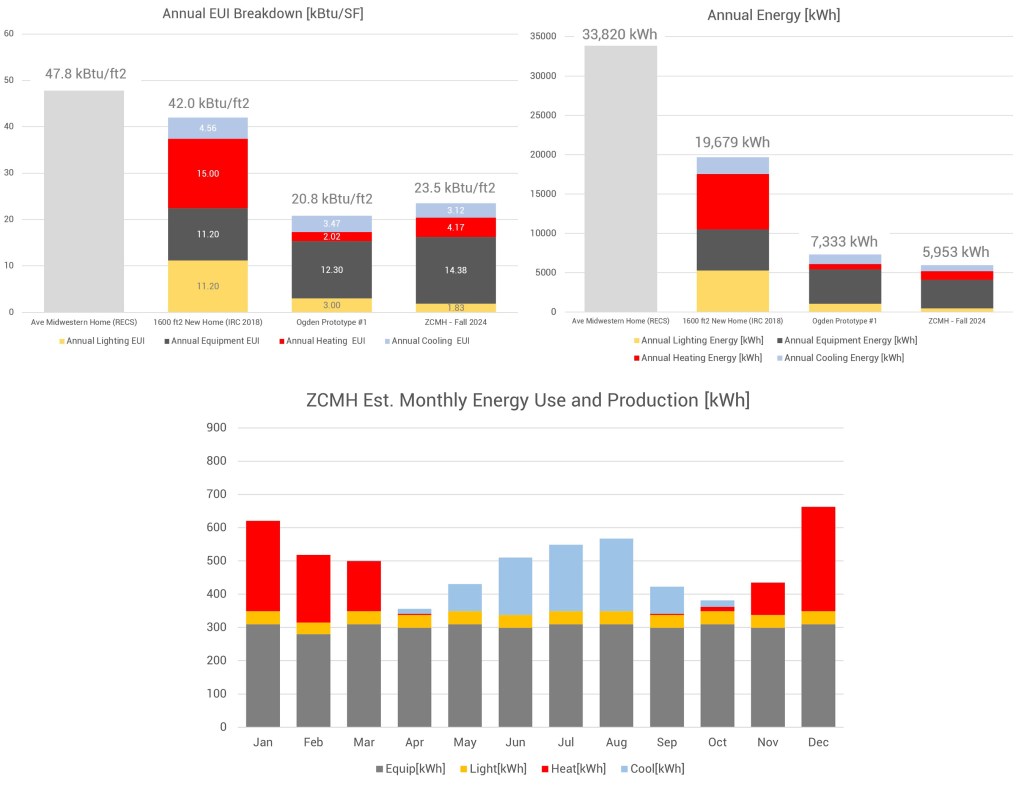
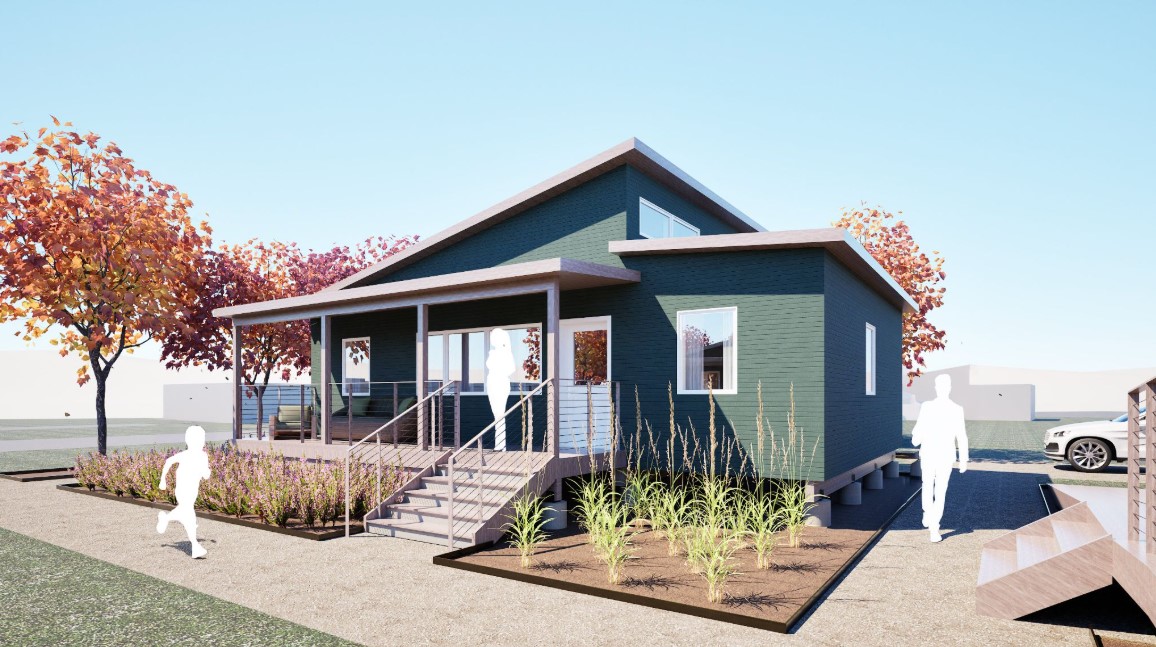
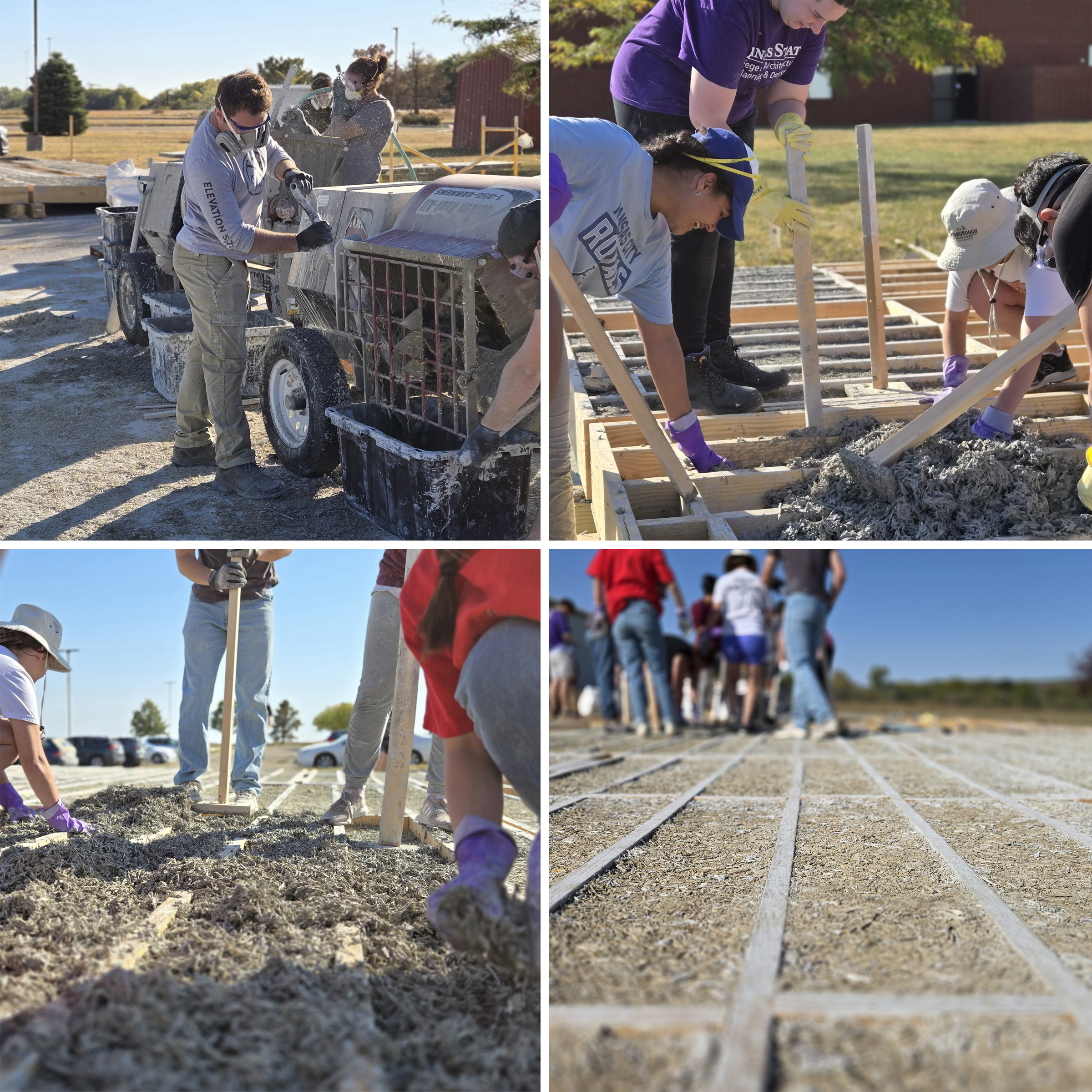
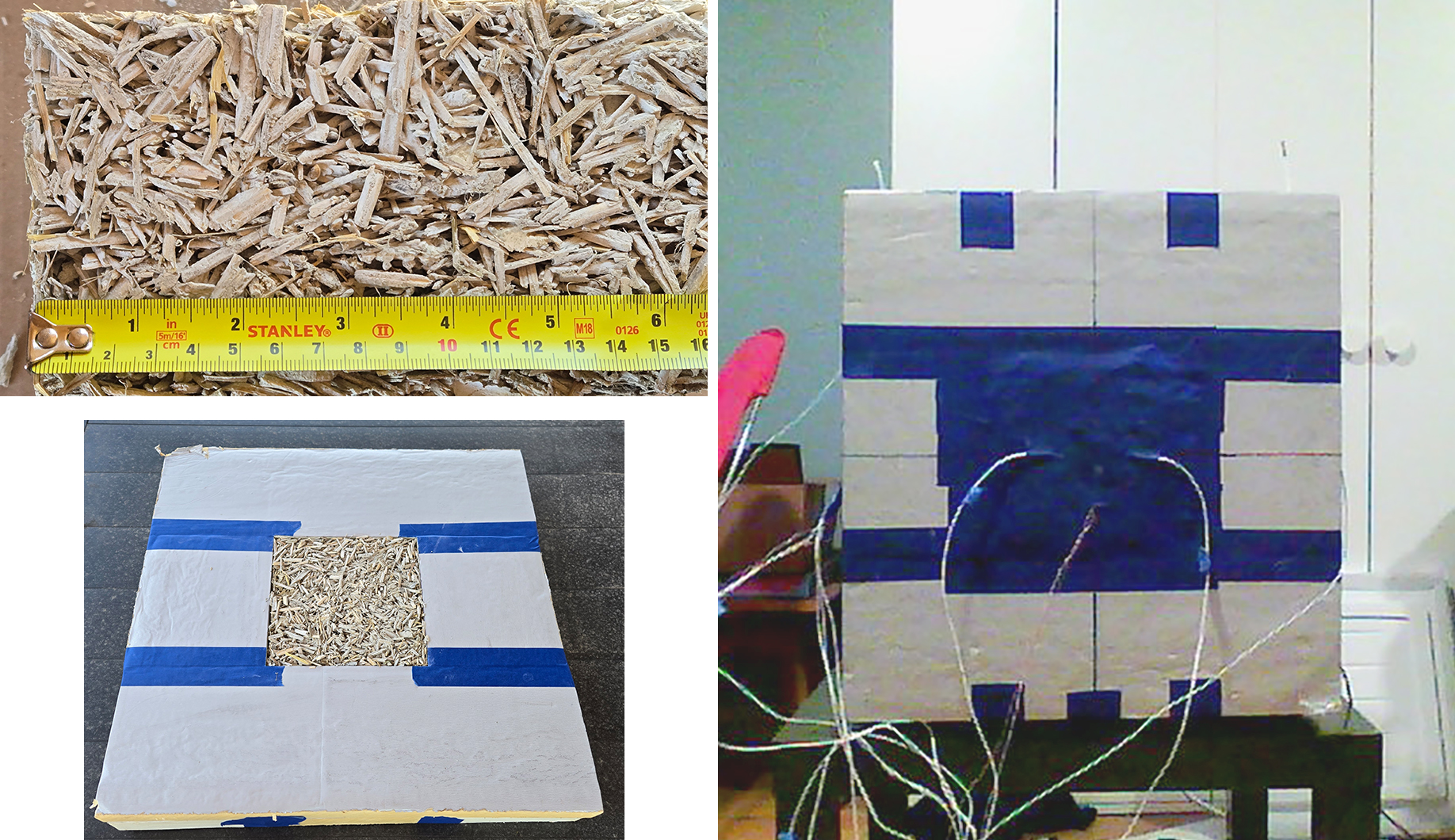
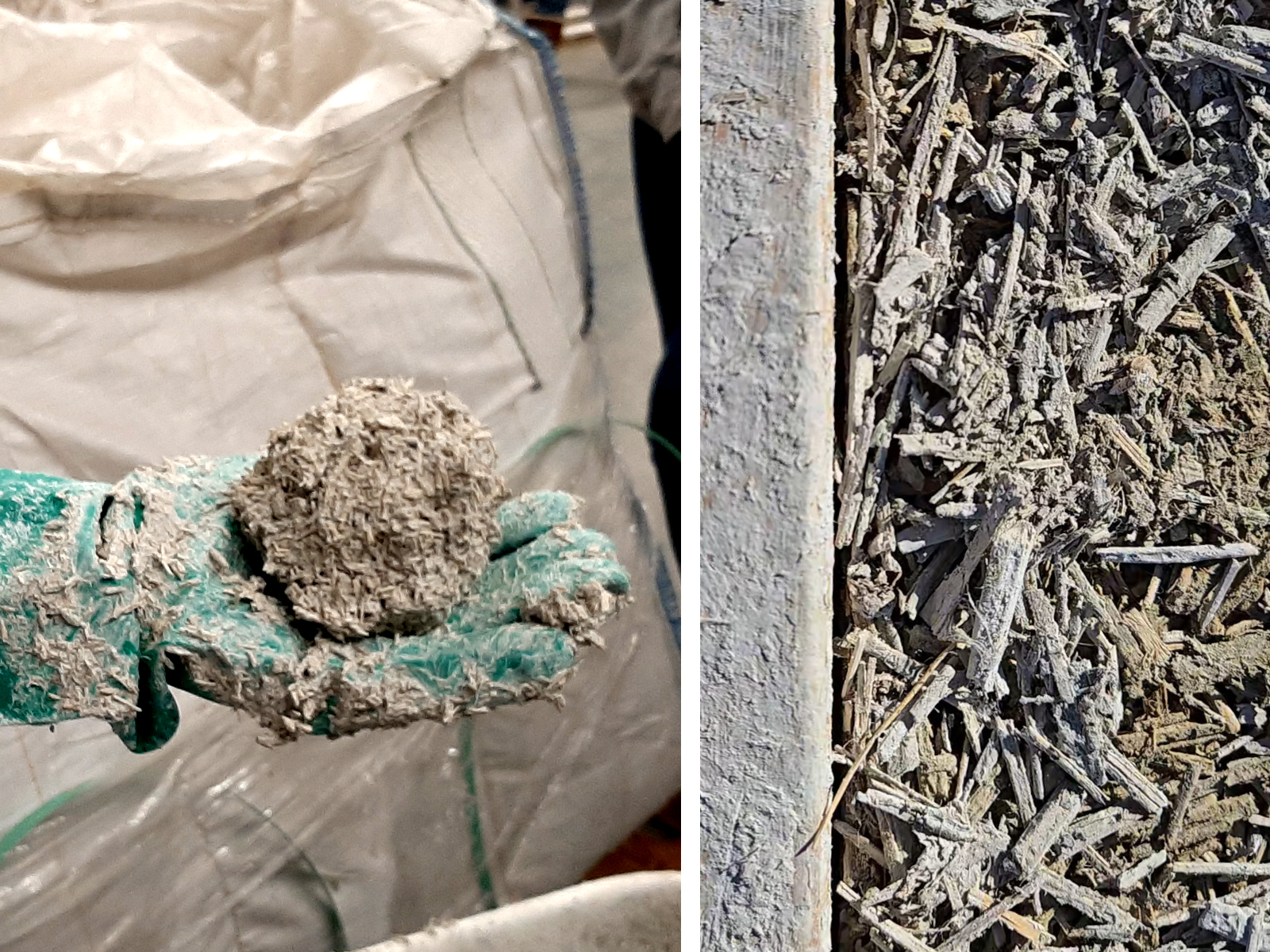
Executive Summary: Homes in the U.S. account for a substantial share of energy use and emissions, while the shortage of affordable housing underscores the need for new design and construction approaches. The Zero Carbon Microhome, designed by architecture students in the Net Positive Studio at Kansas State University, demonstrates how hempcrete and hemp fiber can be integrated into a prototype for affordable infill housing that achieves both annual net zero energy and net zero carbon over its lifespan. Hemp’s use in the project is central to reducing embodied emissions in the structure and enclosure of the home. A carbon assessment incorporates emissions from the hempcrete and hemp fiber insulation to evaluate their role in achieving net zero carbon. An accompanying energy analysis examines the thermal properties of these materials and demonstrates how the project attains net zero energy, with operational carbon reduced and offset by renewable energy. The hempcrete mixture is detailed, along with factors influencing its performance. Together, these strategies offer a replicable model for applying hemp and hempcrete in the pursuit of affordable, net zero energy, net zero carbon housing.
Description: This article, published in the journal Frontiers Sustainability, explores technical, energy, and carbon-related aspects of the Zero Carbon Microhome project, designed by K-State students in the Net Positive Studio advised by Prof. Michael Gibson. A more detailed description of the project’s design and build approach can be found separately in Projects. The locally-sourced Hempcrete mix is also described in detail within the article, including sustainably grown, harvested, and processed hemp from Prairie Band Ag in Holton, KS.
Full Text: https://www.frontiersin.org/journals/sustainability/articles/10.3389/frsus.2025.1606205/full