Location: Kansas City, KS
Year/Timeline: 2025
Area of Focus: Supportive Housing for Memory Care
Department/Courses Involved: Interior Architecture – APDesign – KSU, Led by Professor Vibhavari Jani
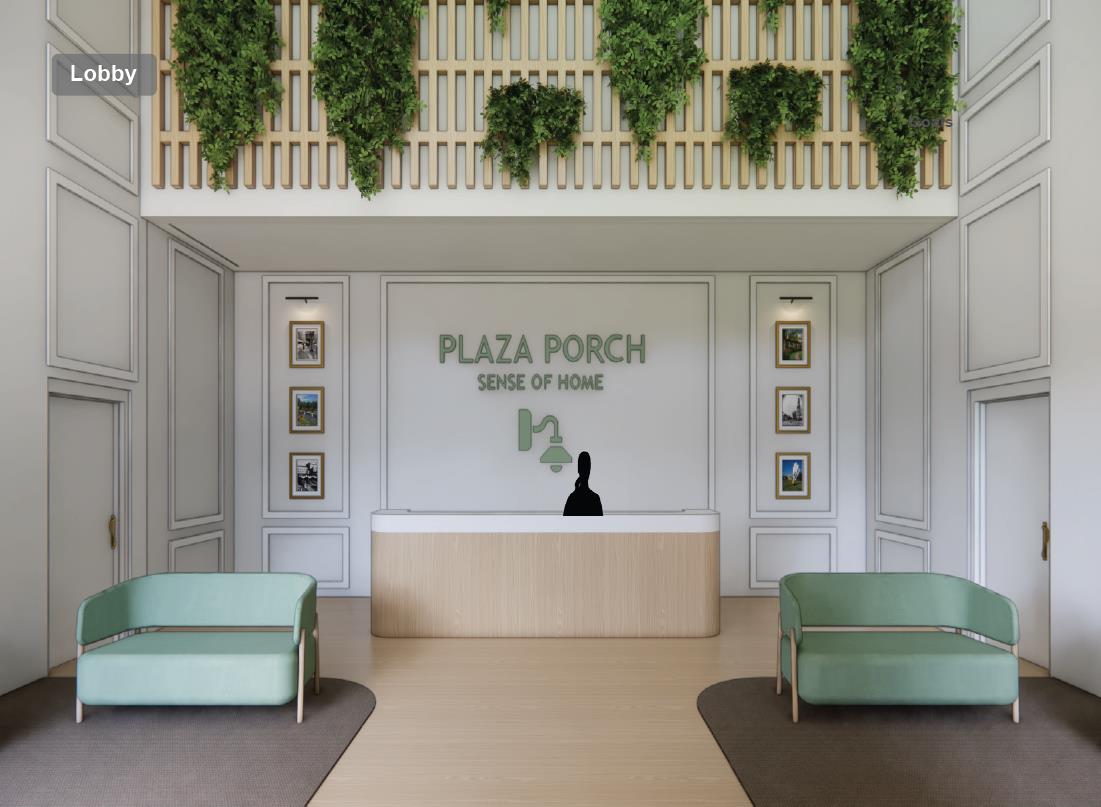
Executive Summary: In her graduate thesis project, Interior Architecture Student Kelzey Christy, guided by Professor Vibhavari Jani (Design) and Associate Professor Kutay Guler (Programming), explores how sensory design can transform long-term care housing into a supportive, healing environment for older adults with cognitive impairments. As dementia rates rise, many care settings remain overstimulating, disorienting, and inequitable. Ms. Christy’s proposal advances an evidence-based, human-centered, empathetic approach that integrates sensory elements like soothing colors, lighting, acoustics, materiality, signage and biophilic elements to reduce agitation, improve orientation, and support autonomy. Clear wayfinding, sensory cues, and calming environments foster safety, dignity, and emotional well-being. By reframing long-term care housing as therapeutic sensory infrastructure, this project offers a new design model that enhances quality of life while addressing systemic gaps in aging, health equity, and compassionate care.
Project Description: As rates of dementia and cognitive impairment continue to rise in the United States, long-term memory care environments remain largely ill-equipped to support the sensory and emotional needs of our aging populations. Many existing memory care facilities are overstimulating, disorienting, and institutional in nature, contributing to increased agitation, confusion, and diminished quality of life. In her graduate thesis project, Interior Architecture Student Kelzey Christy, guided by Professor Vibhavari Jani (Design) and Associate Professor Kutay Guler (Programming), advances a research-driven, equity-centered design approach that positions sensory design as critical health infrastructure in long-term care.
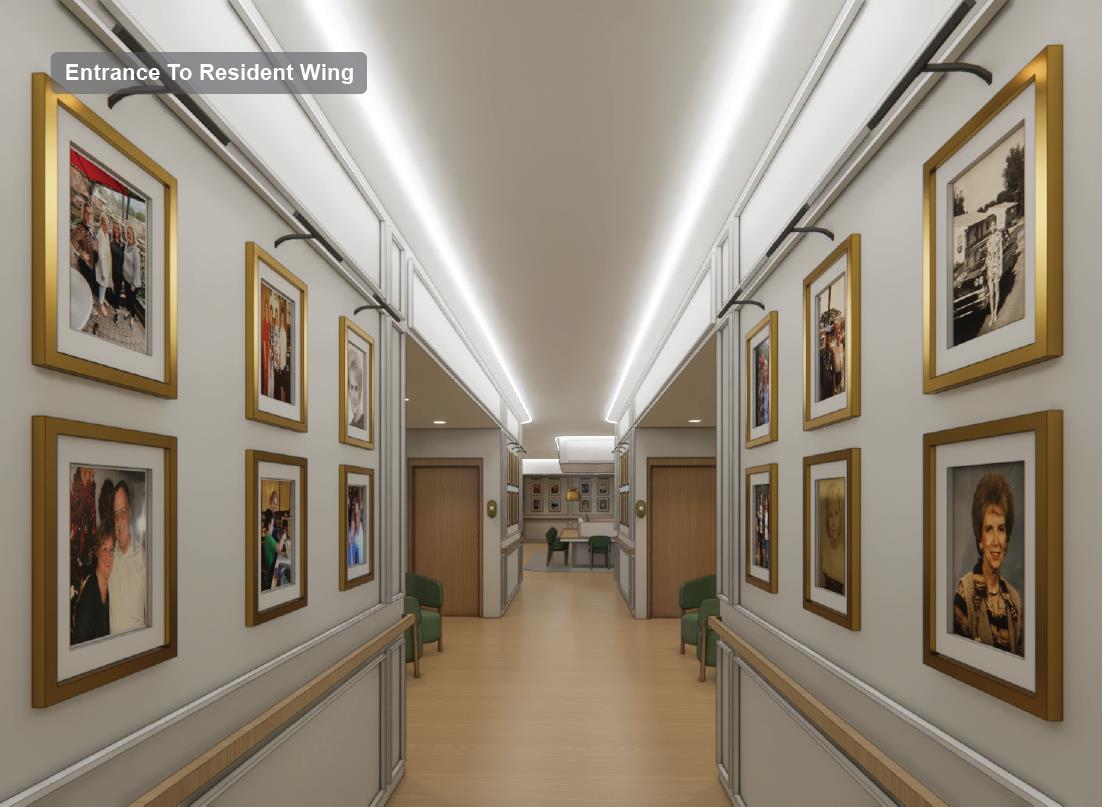
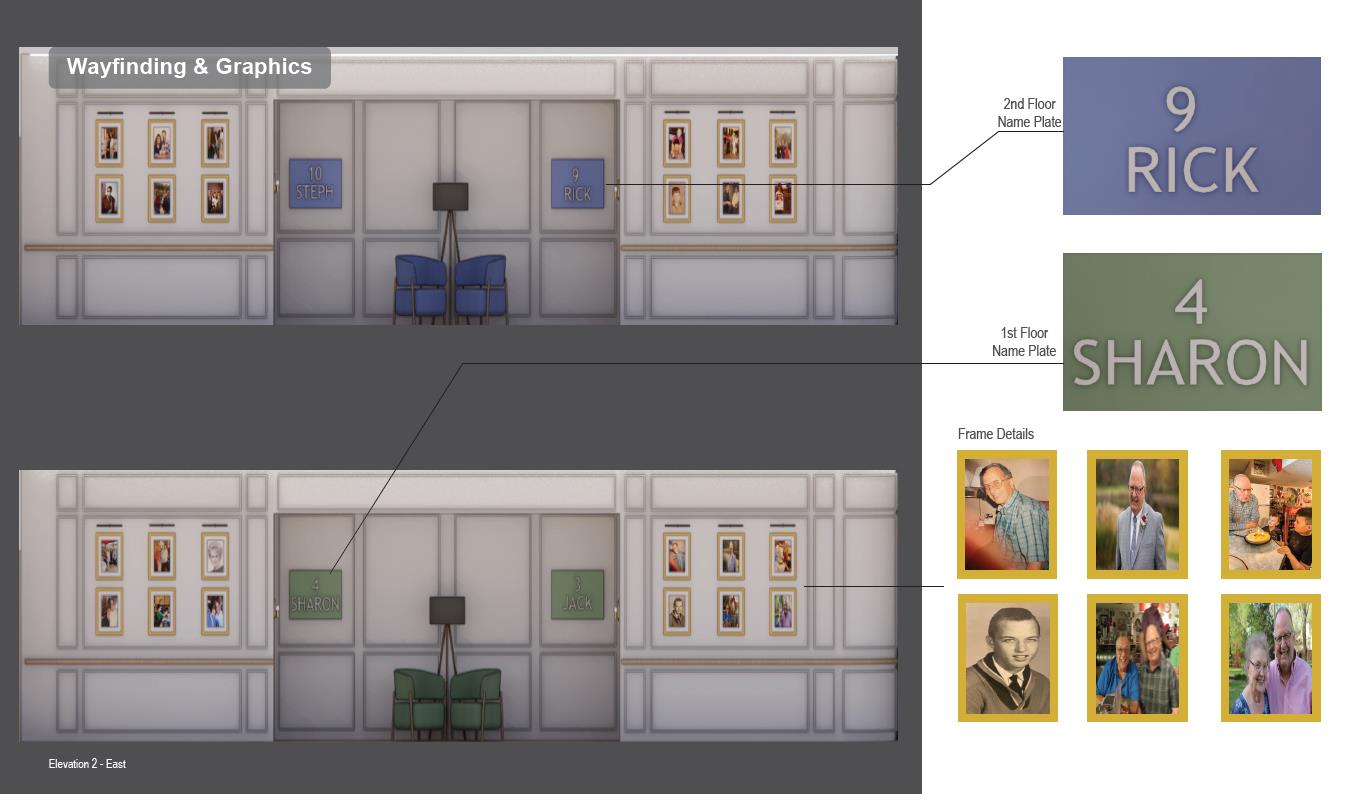
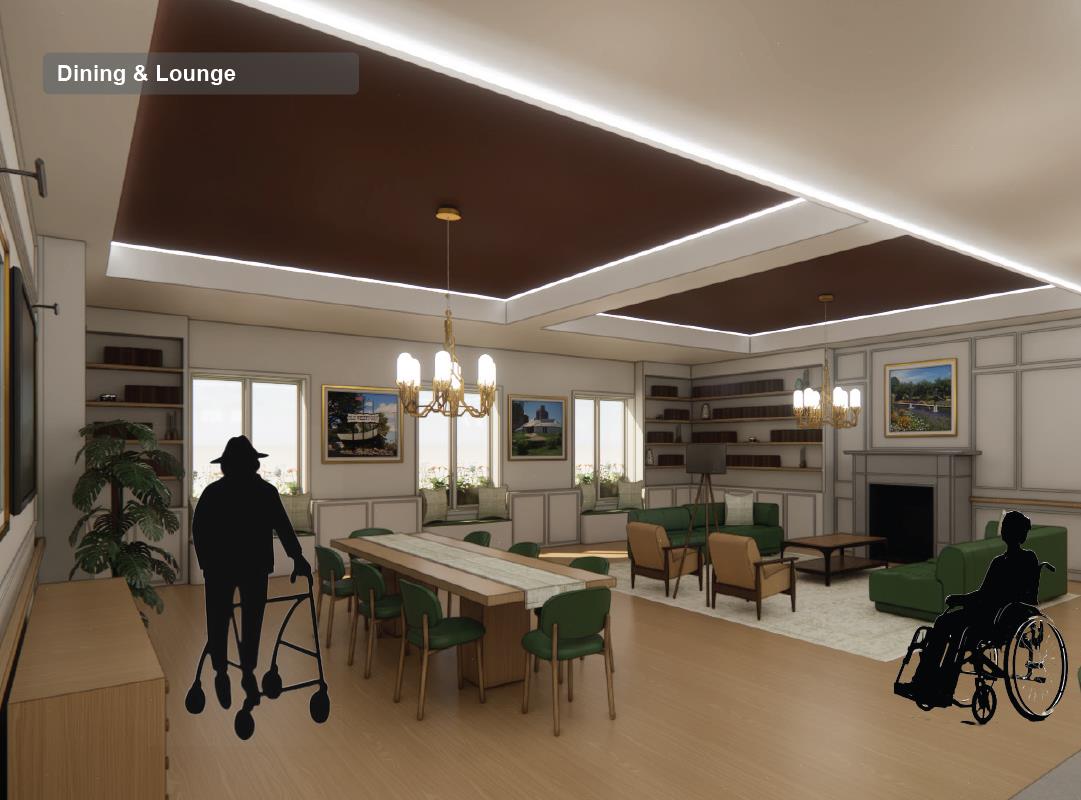
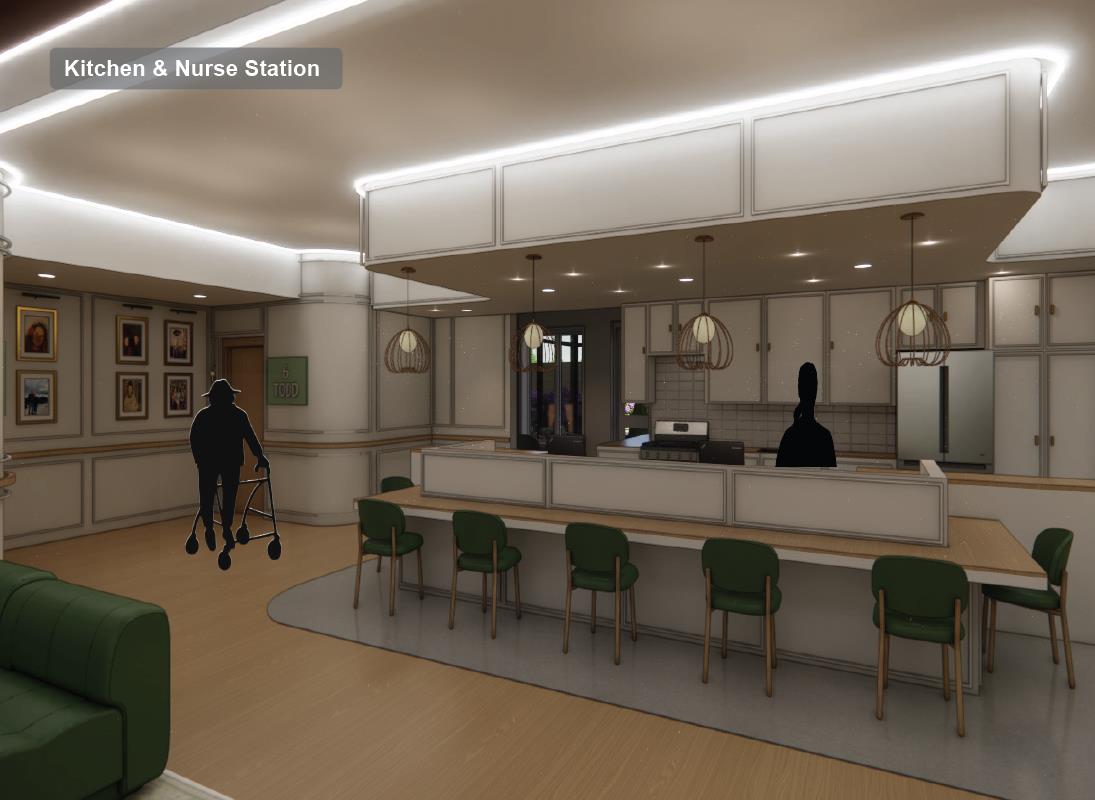
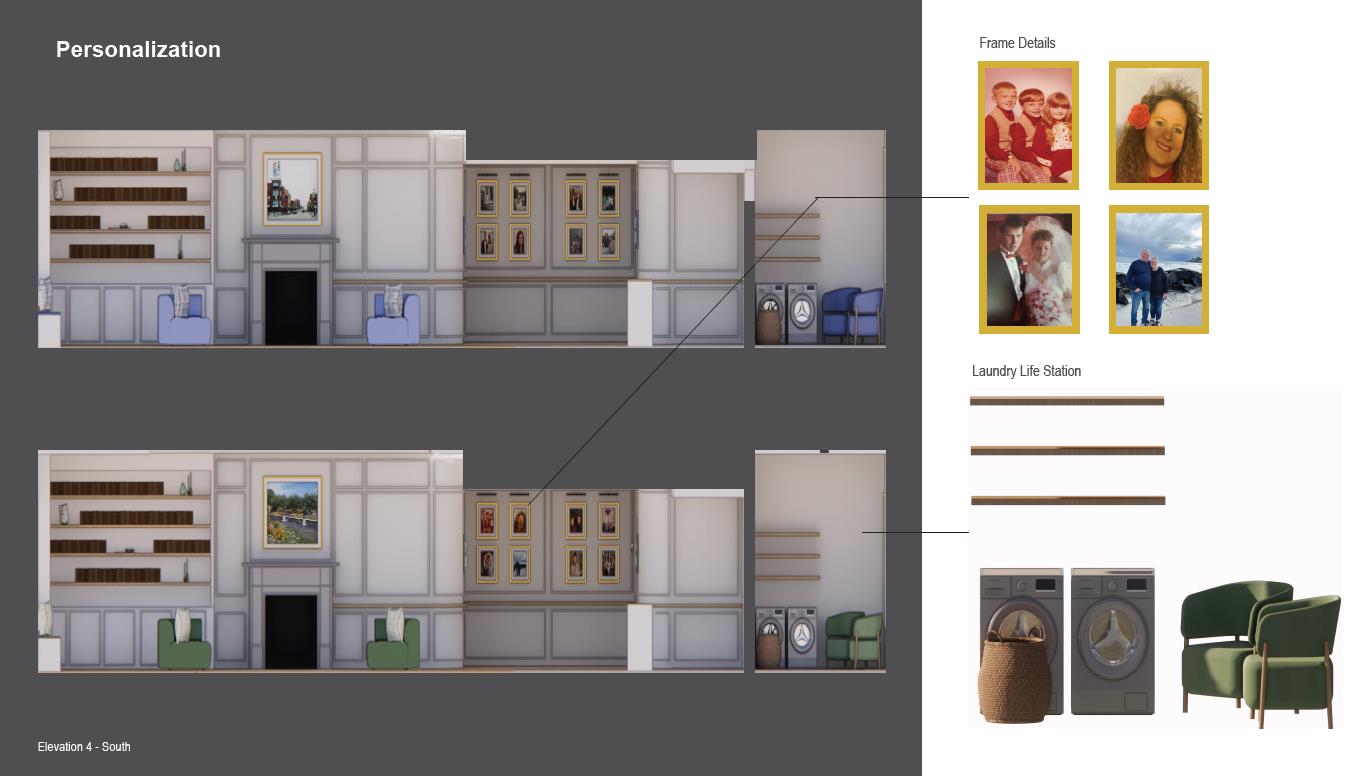
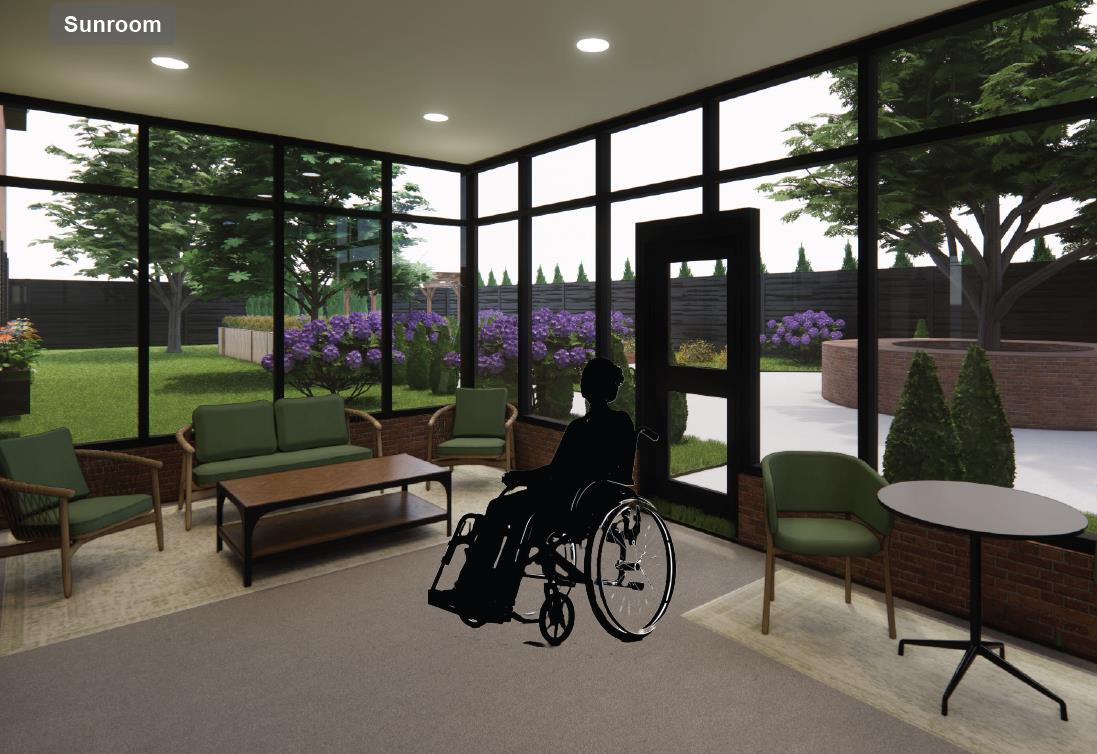
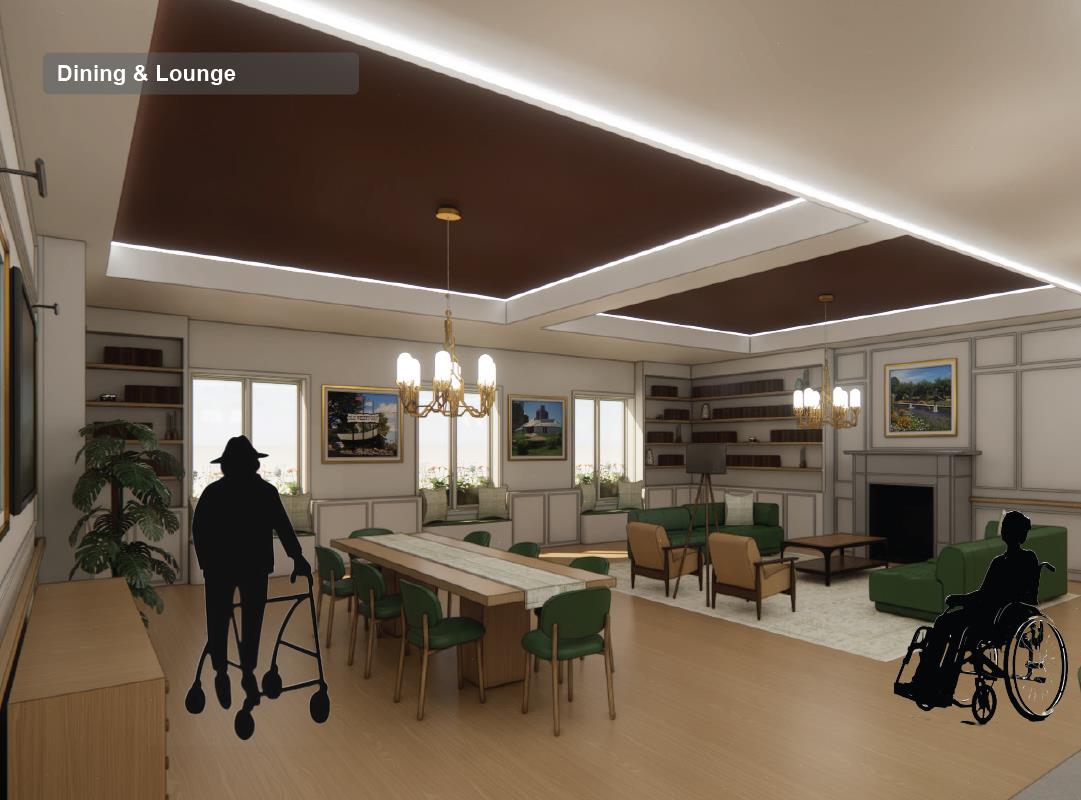
Grounded in evidence-based research, Ms. Christy’s supportive housing proposal integrates multi-sensory strategies— soothing colors, lighting, acoustics, materiality, and biophilia—to create environments that actively support cognitive function, emotional regulation, and autonomy. Access to natural daylight and circadian lighting improves sleep cycles and mood; acoustic zoning reduces stress-inducing noise; and tactile, familiar materials foster comfort and recognition. Intuitive wayfinding systems, anchored by visual and sensory cues, enable residents to navigate independently, reinforcing dignity and reducing reliance on staff.
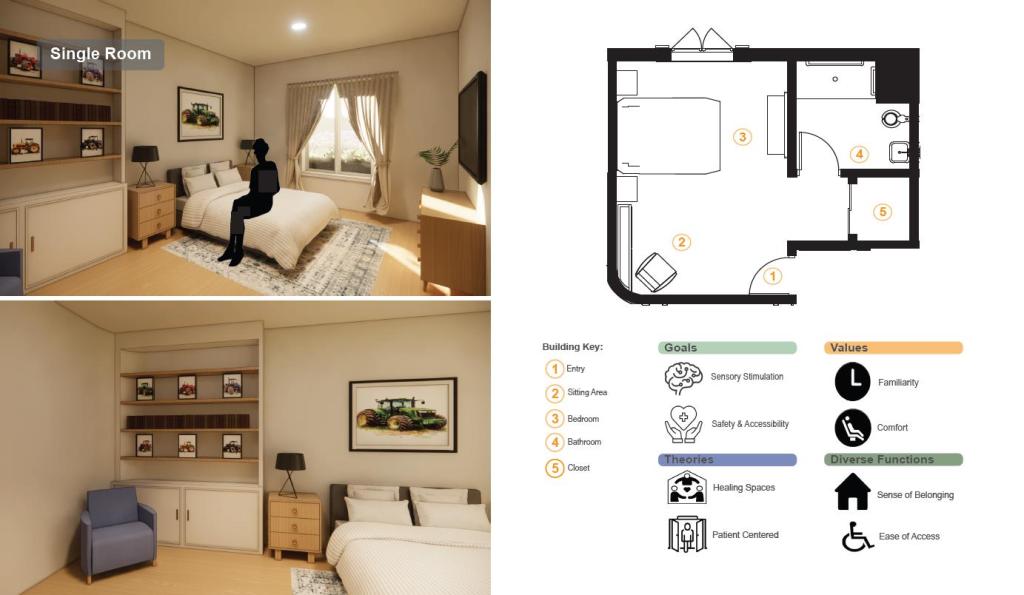
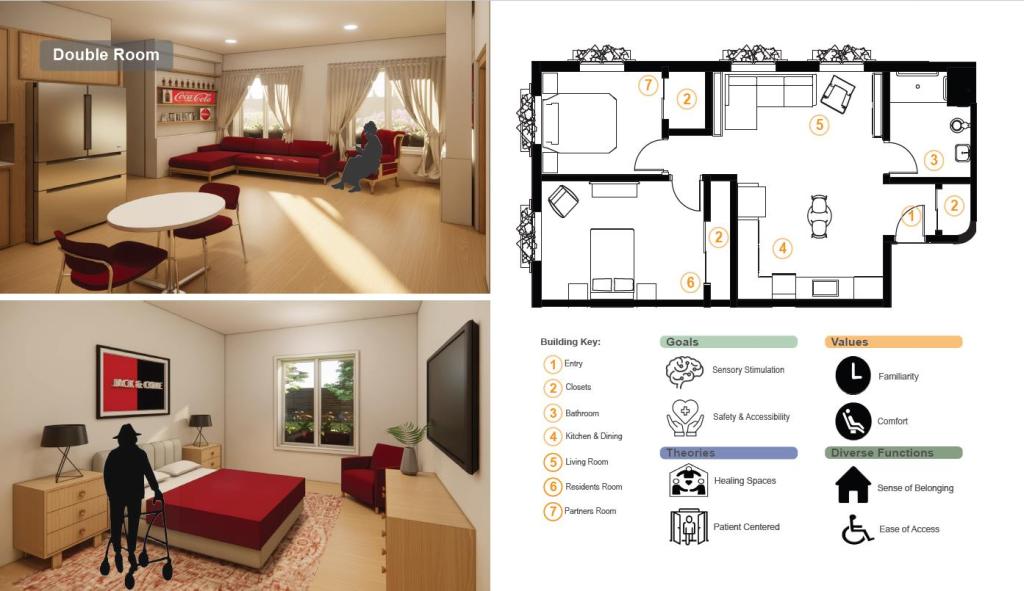
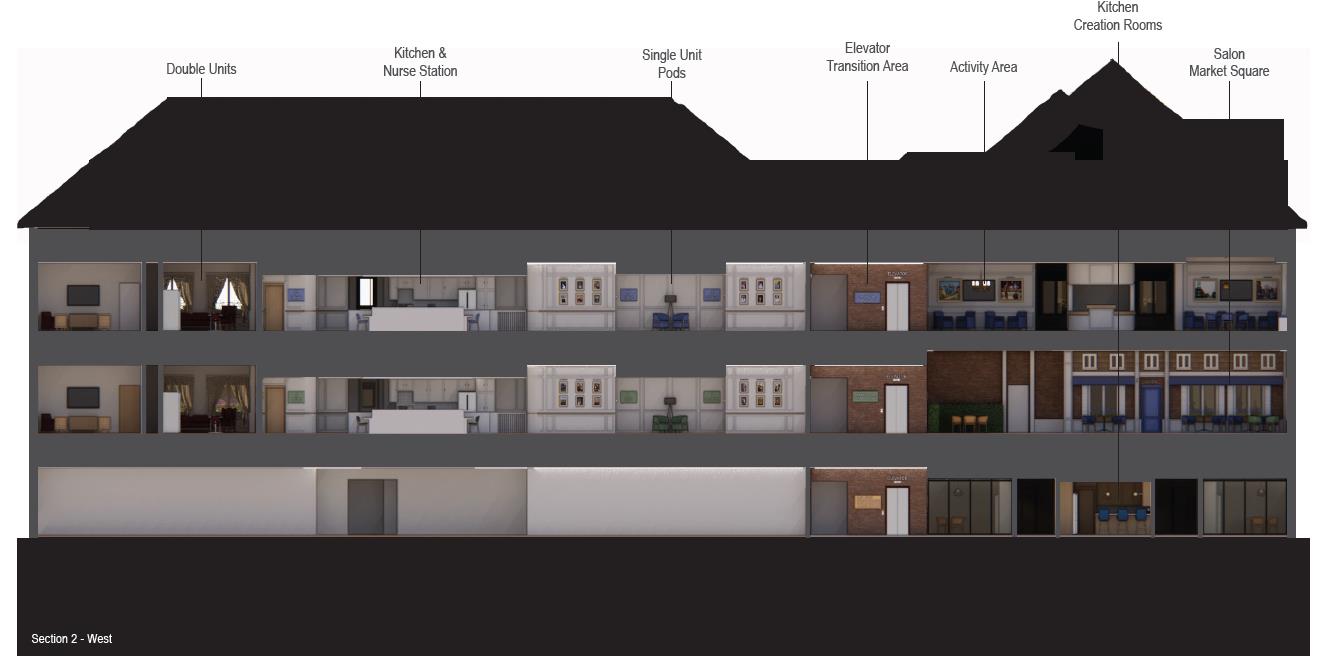
Spatially, the design introduces a variety of environments—from private to semi-private rooms, as well as communal gathering spaces—allowing residents to control levels of engagement. Therapeutic gardens, sensory corridors, and quiet retreat spaces are embedded throughout, offering restorative experiences that promote calm and reduce behavioral symptoms associated with dementia.
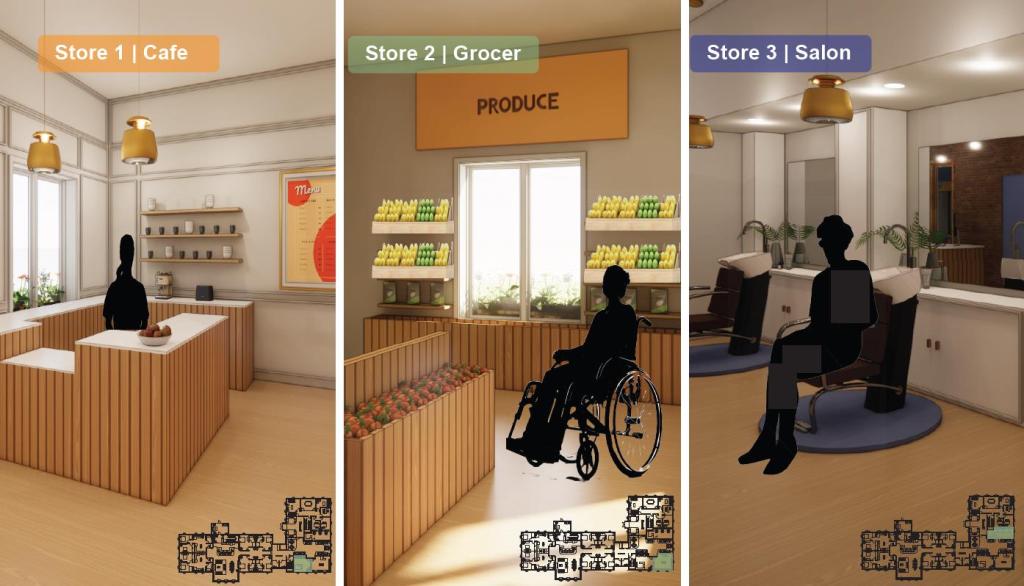
Emphasizing equity and impact, the project prioritizes inclusive design beyond minimum accessibility standards, addressing the needs of cognitively diverse and often underserved aging populations. Ms. Christy challenges conventional institutional models by creating home environments that are not only safe but enriching and life-affirming. By integrating research, innovation, and human-centered design, Ms. Christy demonstrates a framework for transforming long-term care that can be scaled to various size of memory care homes. It positions sensory design not as an enhancement, but as a fundamental strategy for improving health outcomes, advancing dignity, and redefining the future of aging through design of compassionate, evidence-based environments.