
Location: Phoenix, AZ
Year/Timeline: 2018
Area of Focus: Housing to promote Health and Wellness among Housing Insecure Community
Department/Courses Involved: IAID, APDESIGN, KSU – Advance Interior Architecture Studio, (IARC 823), Led by Professor Vibhavai Jani, and Riyadi Adiyaverman
Executive Summary: Abigail Reese, a graduate Interior Architecture student at Kansas State University and 2018 ARCC King Medal winner, developed Prescription Housing, a patient-centered design proposal under the guidance of Professor Vibhavari Jani and Associate Professor Riyadi Adityaverman to assist the housing insecure community. With nearly one-third of emergency room visits attributed to uninsured individuals, this project explores housing as a cost-effective medical intervention.
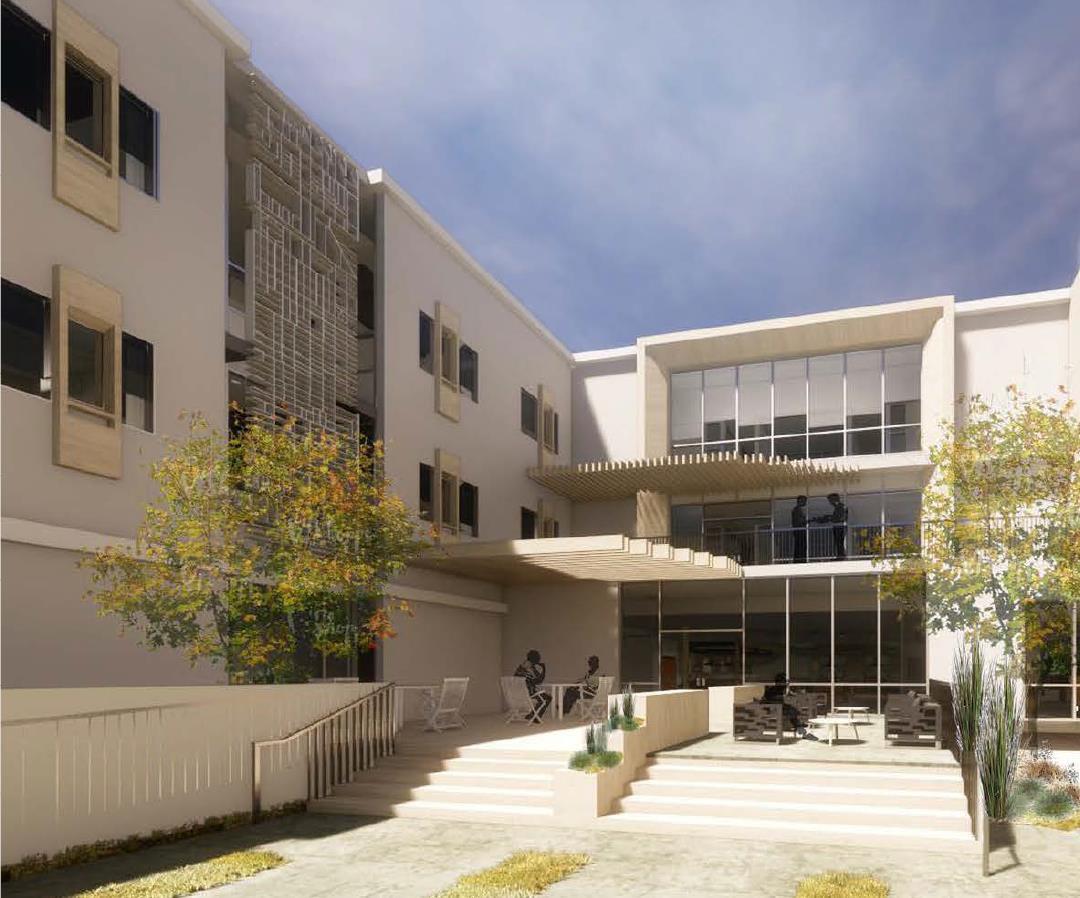
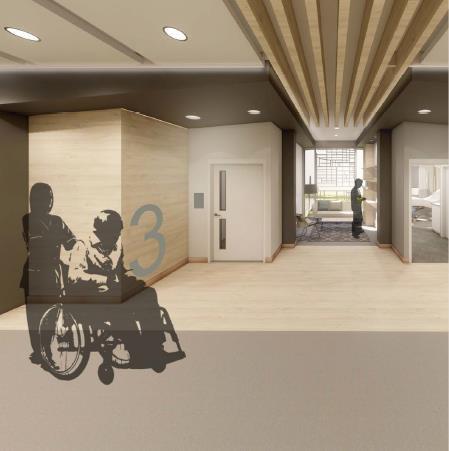
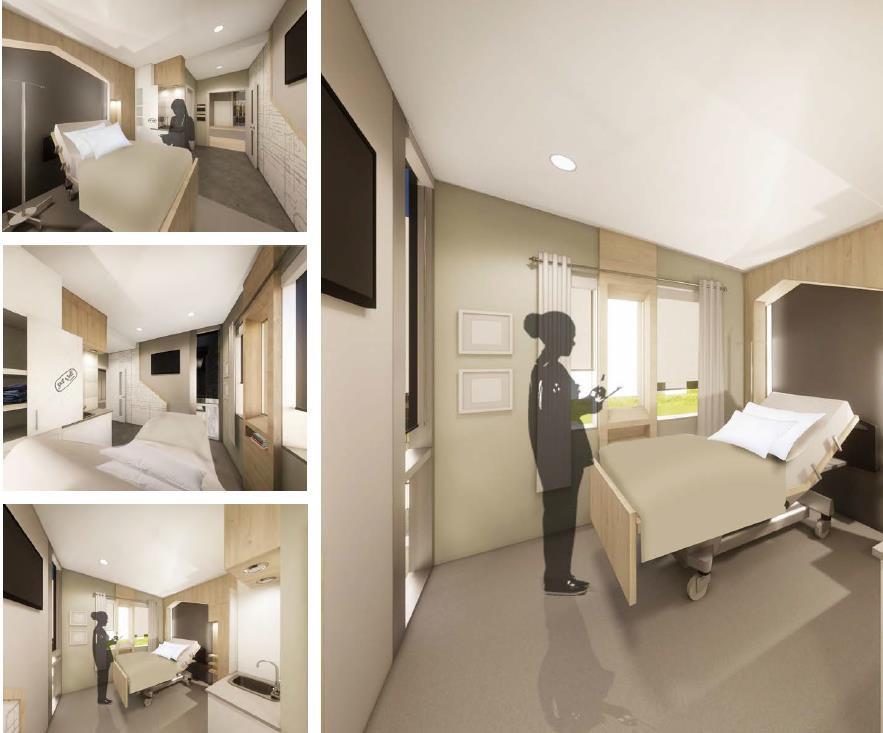
Grounded in evidence-based research and inspired by policy initiatives to classify homelessness as a medical condition, the proposal envisions a transitional medical housing facility in Phoenix, Arizona. Ms. Reece selected to renovate a medical facility to develop a model for prescription housing. By integrating physical, mental, and social care within a supportive environment, her design promotes healing, reduces healthcare costs, and fosters long-term stability.
Project Description: Abigail Reese’s Prescription Housing, an innovative, research-driven design proposal, reframes housing insecurity as a critical public health issue. Nearly one-third of emergency room visits in the United States are made by uninsured individuals, often resulting in cyclical and costly care that places a significant burden on taxpayers—ranging from $40,000 to $120,000 per individual annually. This project explores a transformative question: what if housing itself could be prescribed as a form of medical treatment?
Inspired by a Hawaii-based legislative initiative seeking to classify homelessness as a medical condition, this proposal presents a transitional medical housing model for the housing insecure population in Phoenix, Arizona. Grounded in evidence-based and patient-centered design strategies, this project demonstrates that providing stable housing can reduce annual healthcare costs to approximately $18,000 per individual, while improving overall health outcomes.
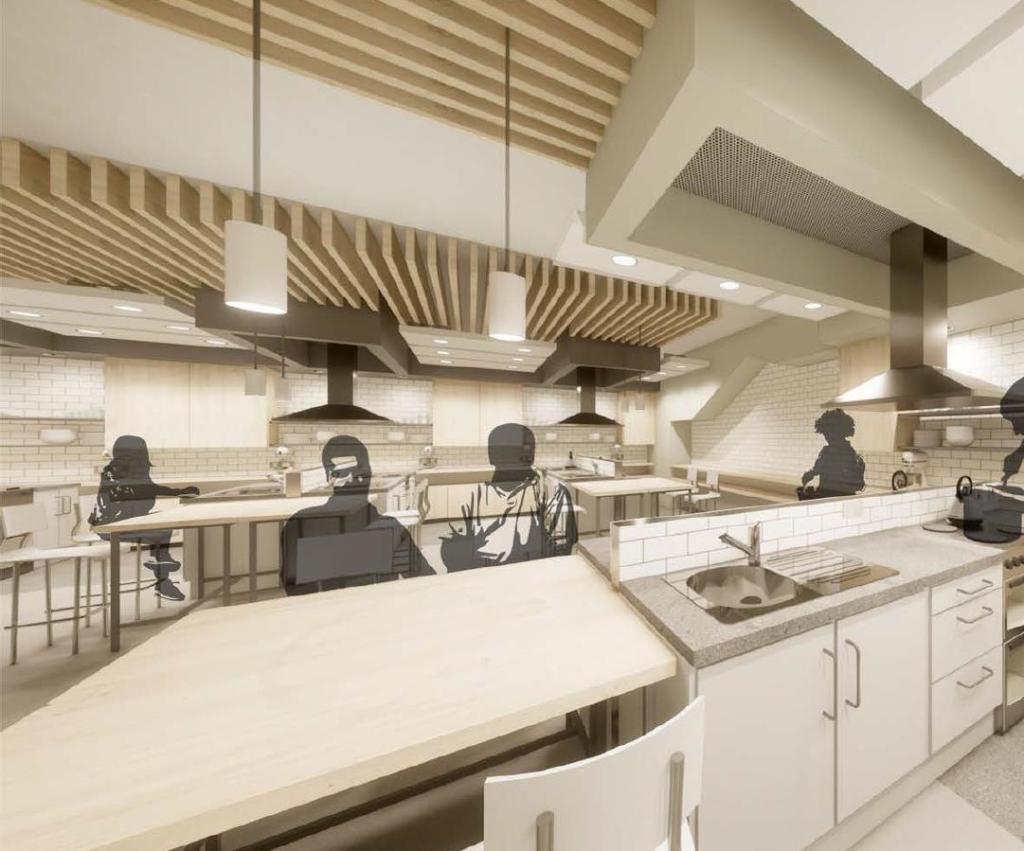
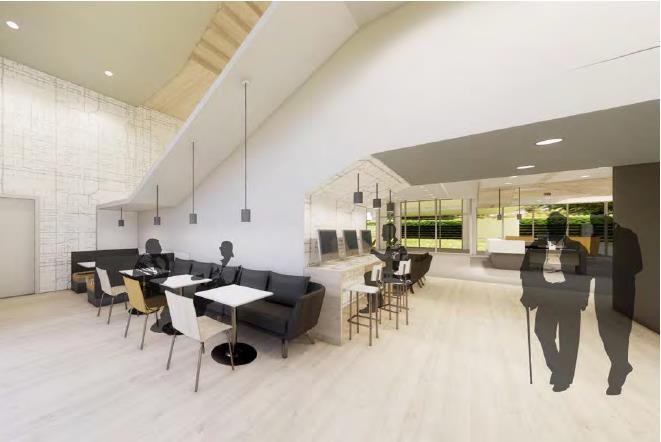
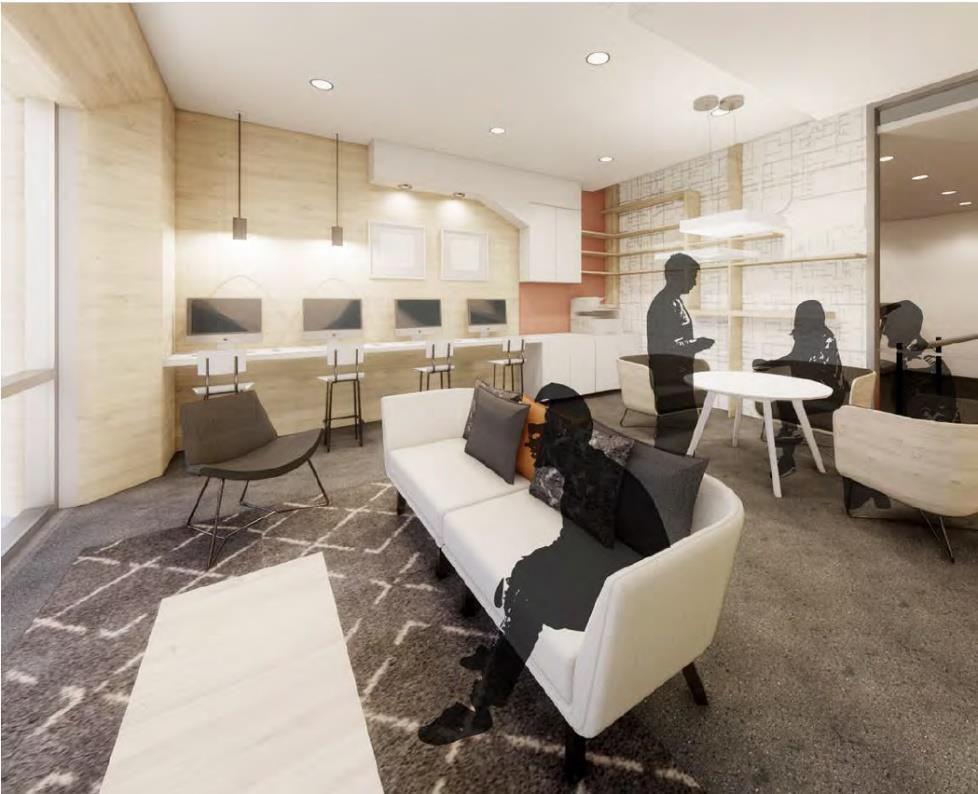
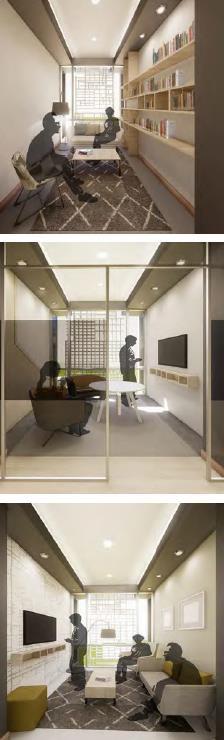
The proposed facility integrates housing with physical, mental, and socioeconomic support systems within a holistic healing environment. Designed to feel more like a home than an institution, the prescription housing project fosters dignity, belonging, and stability. Emphasis is placed on community-building, access to resources, and supportive services that empower residents to regain independence. By shifting the focus from reactive medical treatment to proactive, preventative care through housing, this Prescription Housing model offers a scalable, cost-effective solution to a complex societal challenge. It not only addresses immediate health concerns but also equips individuals with the tools and support necessary to achieve long-term recovery and reintegration, ultimately benefiting both individuals and the broader
healthcare system.
 Kansas Better Housing Consortium