Location: Omaha, Nebraska
Year/Timeline: 2024
Area of Focus: Housing Design for Assisted Living
Department/Courses Involved: IAID – APDesign -KSU, Capstone Studio, led by Professor Vibhavari Jani
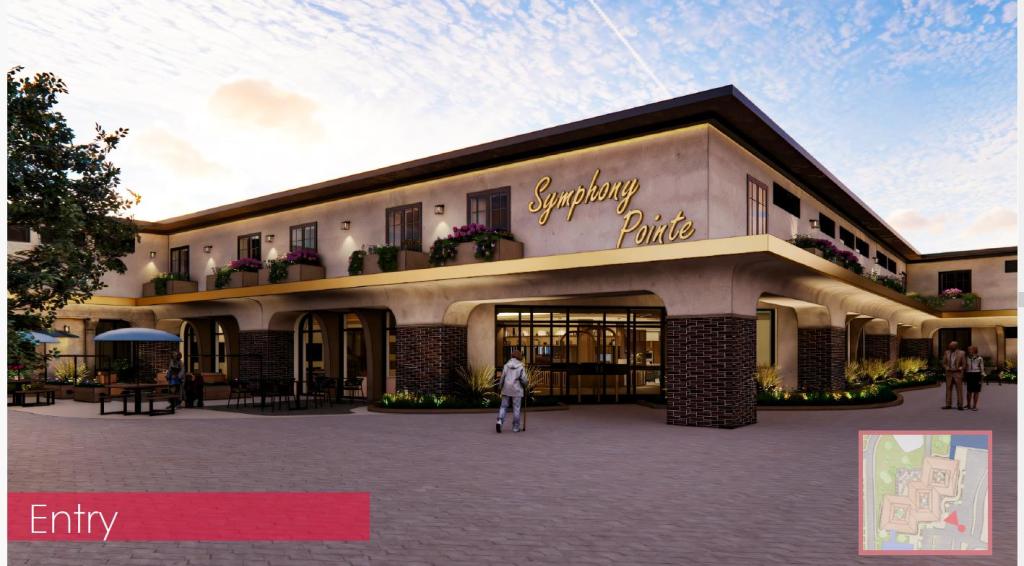
Executive Summary: Interior Architecture Graduate Students Grace Hedrickson, Matthew Virgil, and Sarah Wright reframed assisted living as “Continued Living,” shifting aging from a model of care dependency to one of continued growth, dignity, and engagement. Responding to increasing demand for equitable senior housing and the growing social isolation of older adults, the designers led by Professor Vibhavari Jani, positioned architecture as a catalyst for social connection and well-being. Grounded in innovation, the project integrates sustainability, universal design beyond ADA minimums, and holistic spatial systems to support diverse physical and cognitive needs. Passive environmental strategies, intuitive navigation, and sensory-rich communal environments foster autonomy while encouraging meaningful interaction. The design expands beyond traditional senior housing models by embedding intergenerational and community-facing spaces that actively connect residents with the surrounding neighborhood. In doing so, it transforms housing into social infrastructure that reduces isolation and strengthens civic belonging. By prioritizing accessibility, environmental responsibility, and human-centered innovation, the Continued Living Center demonstrates a scalable model for socially responsive design that enhances quality of life and redefines the future of aging in place.
Project Description: This project reimagines assisted living as “Continued Living,” shifting the paradigm from end-of-life care to a proactive model of dignity, independence, and ongoing life participation. In the United States, over 12 million older households are cost-burdened, spending more than 30% of their income on housing, with many exceeding 50%—a condition that significantly limits access to safe and supportive living environments. At the same time, the national median cost of assisted living exceeds $65,000 annually, far surpassing the income of many older adults on fixed pensions and Social Security.
This affordability crisis intersects with a growing public health concern: social isolation. Research shows that loneliness affects nearly one in three older adults in senior housing settings and is strongly associated with depression, cognitive decline, and poorer long-term health outcomes. Loneliness has been identified as a key predictor of reduced well-being and even increased mortality risk among aging populations.
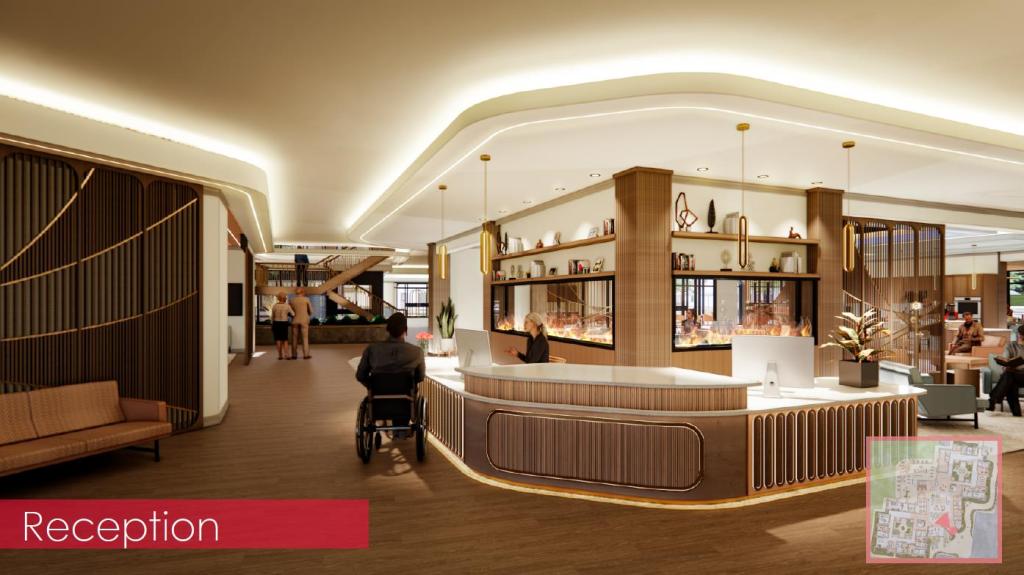
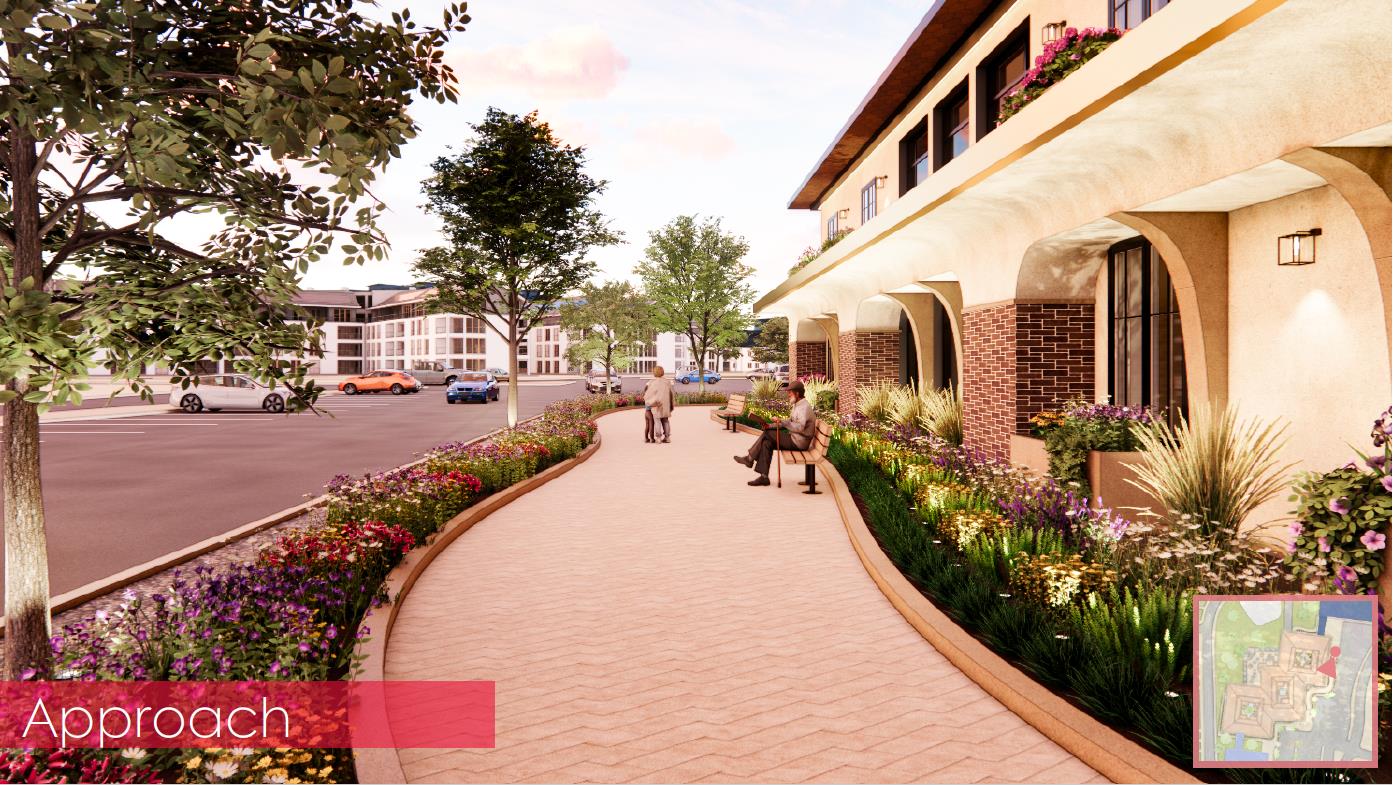
In response, the Continued Living Center proposes an innovative, socially driven housing model that treats architecture as essential social infrastructure. The design integrates sustainability, universal design beyond ADA minimums, and holistic spatial systems that support physical, sensory, and cognitive diversity. Passive environmental strategies reduce operational burden while ensuring long-term resilience and affordability.
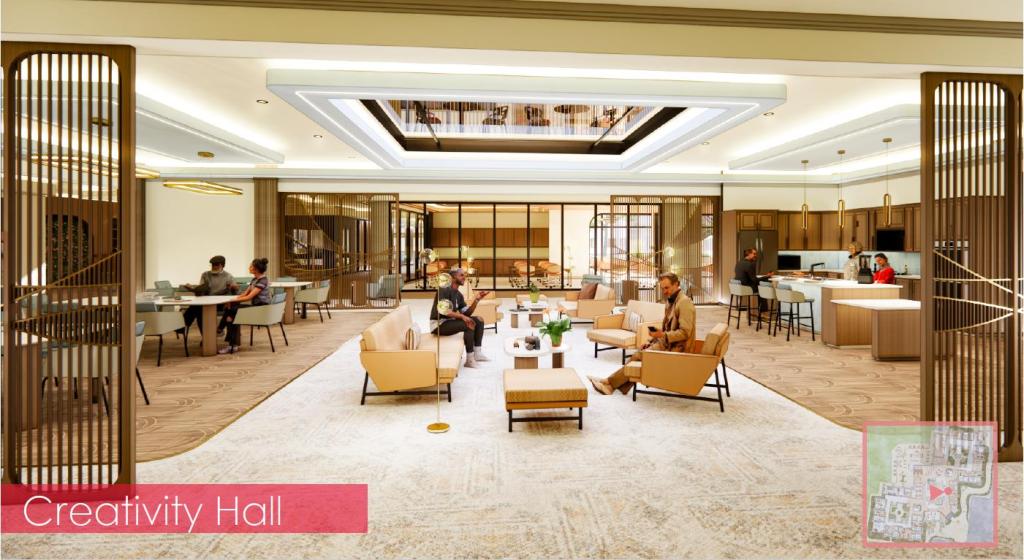
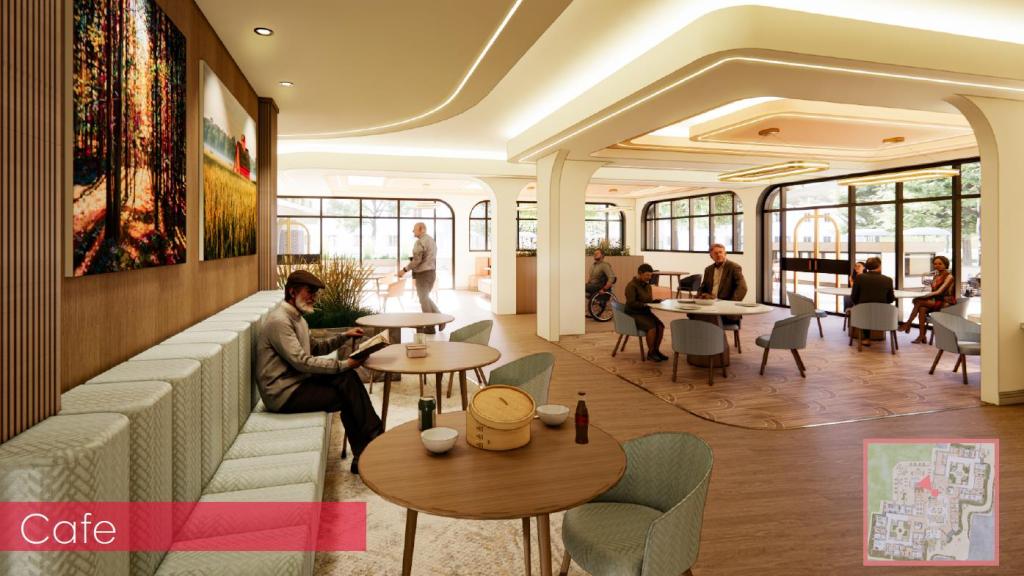
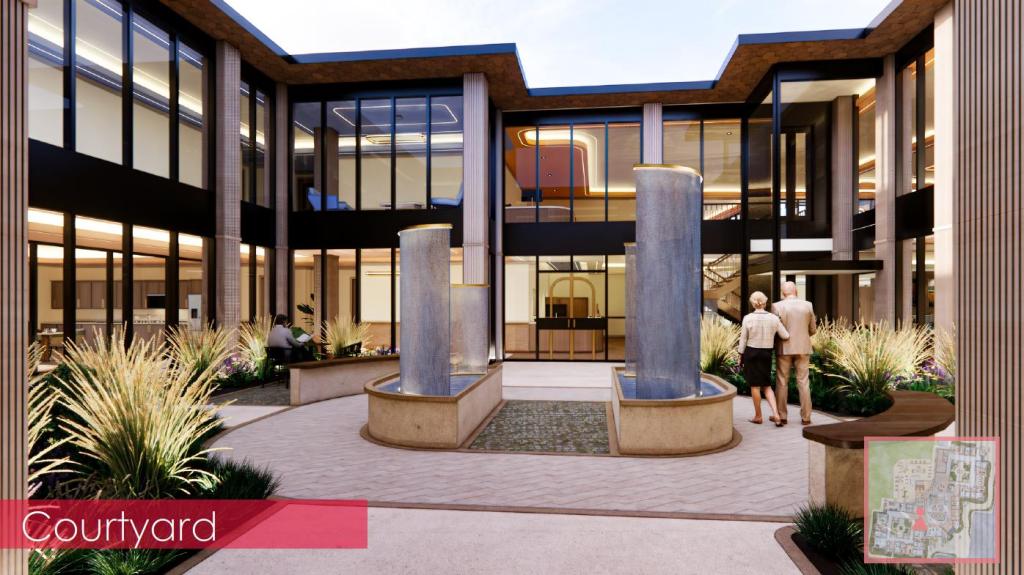
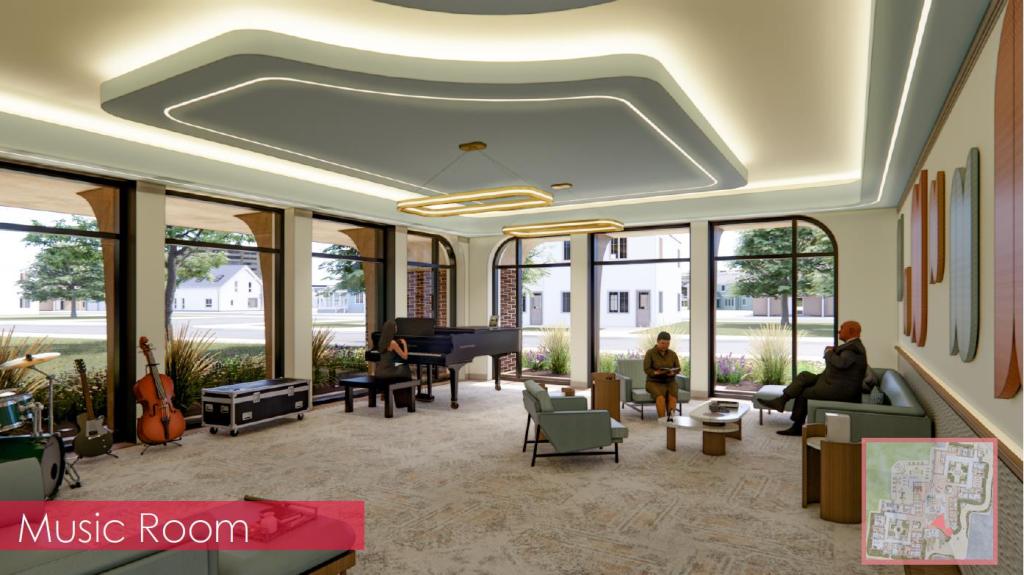
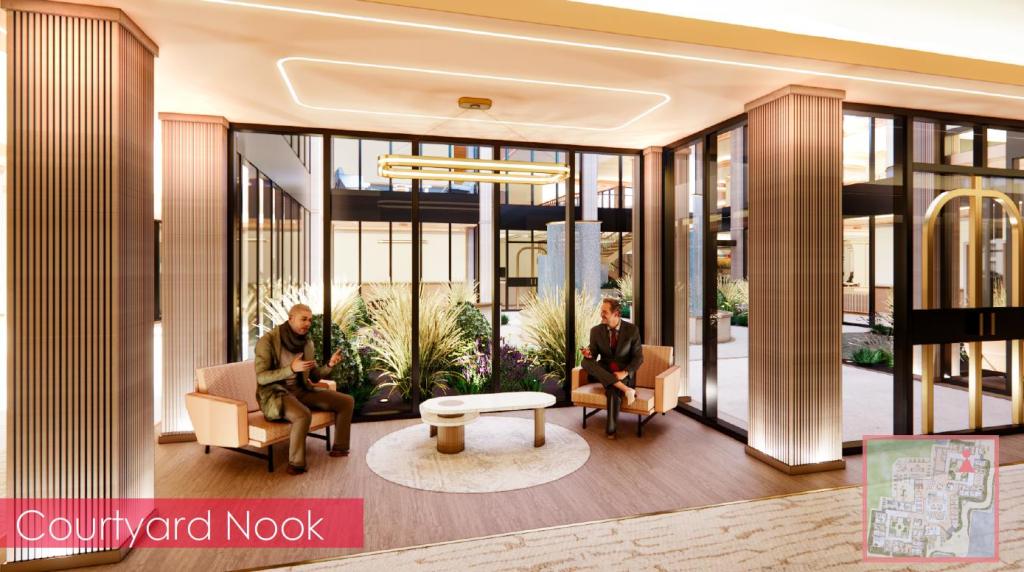
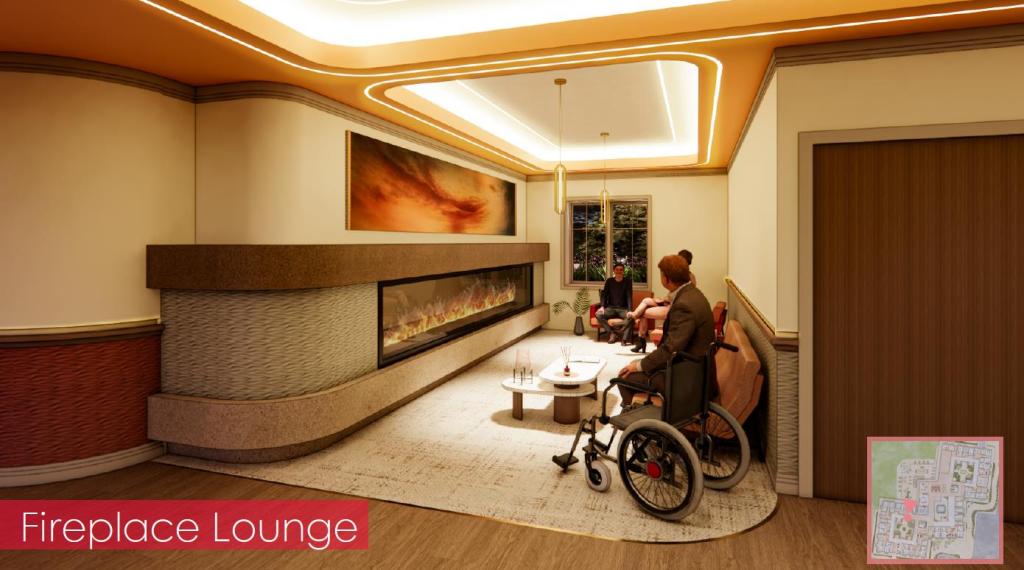
A key innovation lies in the reconfiguration of space to actively generate social connection. Communal dining and cafe, flexible shared rooms, wellness corridors and courtyards, and intergenerational activity zones are embedded throughout the building to encourage daily interaction rather than incidental contact. Intuitive wayfinding, sensory-rich environments, and layered thresholds between private and collective realms further support autonomy while reducing isolation.
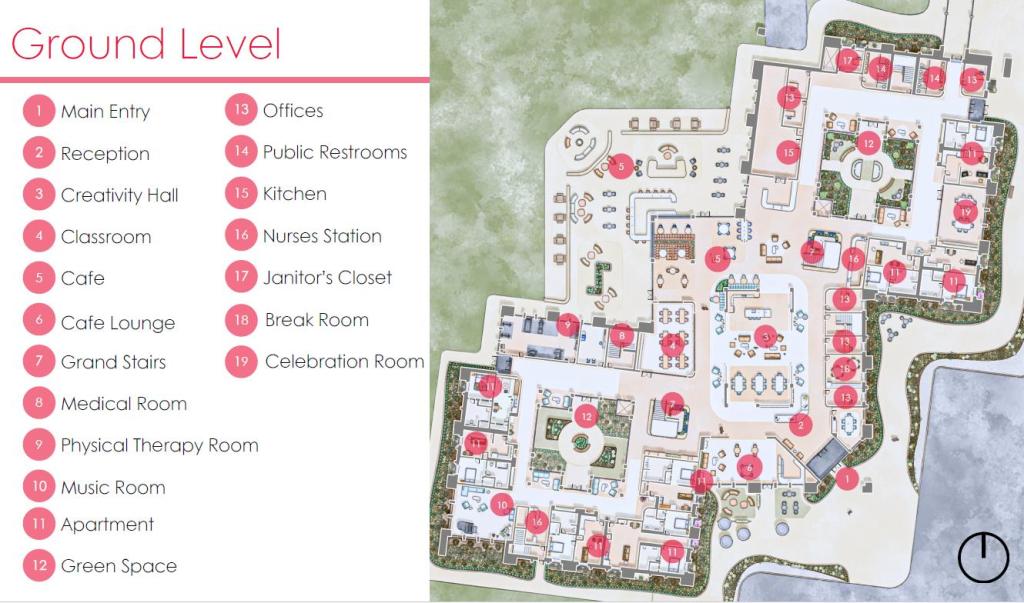
By connecting residents to surrounding neighborhoods through shared programming and accessible public-facing spaces, the project extends beyond traditional senior housing to become a civic anchor. This model reframes aging not as withdrawal, but as continued participation in community life. Ultimately, the design offers a scalable, socially responsive framework that addresses the intersecting crises of housing affordability, loneliness, and aging with innovation, equity, and human dignity at its core.