Location: Seattle, WA
Year/Timeline: 2025
Area of Focus: Housing for Elderly Chinese Immigrants
Department/Courses Involved: Interior Architecture – APDesign – KSU, Led by Professor Vibhavari Jani
Executive Summary: Lily Turner, an Interior Architecture student, in her graduate thesis project guided by Professor Vibhavari Jani (Design) and Associate Professor Kutay Guler (Programming), explores how a cohousing model can enhance quality of life for elderly Chinese immigrants facing language barriers, poverty, and social isolation. Many older immigrants experience limited access to culturally appropriate, affordable housing and supportive services, increasing vulnerability and disconnection. Ms. Turner’s proposal reimagines housing as social infrastructure by integrating shared spaces, culturally familiar environments, and community-based support systems. Designed for accessibility and affordability, the model fosters peer networks, mutual care, and a sense of belonging. By aligning housing with cultural identity and collective living practices, the project offers an innovative, scalable approach to advancing equity, reducing isolation, and supporting aging with dignity for elderly Chinese immigrants.
Project Description: Elderly Chinese immigrants in the United States face intersecting challenges of language barriers, poverty, and social isolation that significantly impact health, independence, and quality of life. Approximately 22% of Chinese immigrants are age 65 or older, and nearly half of older immigrants have limited English proficiency, creating barriers to healthcare access, daily communication, and social integration. Research shows that language barriers directly contribute to reduced healthcare understanding, weaker social networks, and poorer health outcomes among older immigrant populations. At the same time, economic vulnerability is widespread. Nearly 60% of Asian Americans living in poverty are immigrants, and many older adults rely on limited fixed incomes, family support, or subsidized housing in high-cost metropolitan areas such as New York, Los Angeles, and San Francisco, where over 500,000 Asian Americans in poverty reside collectively. These conditions often confine elderly immigrants to isolated living arrangements with minimal access to culturally responsive housing and other services.
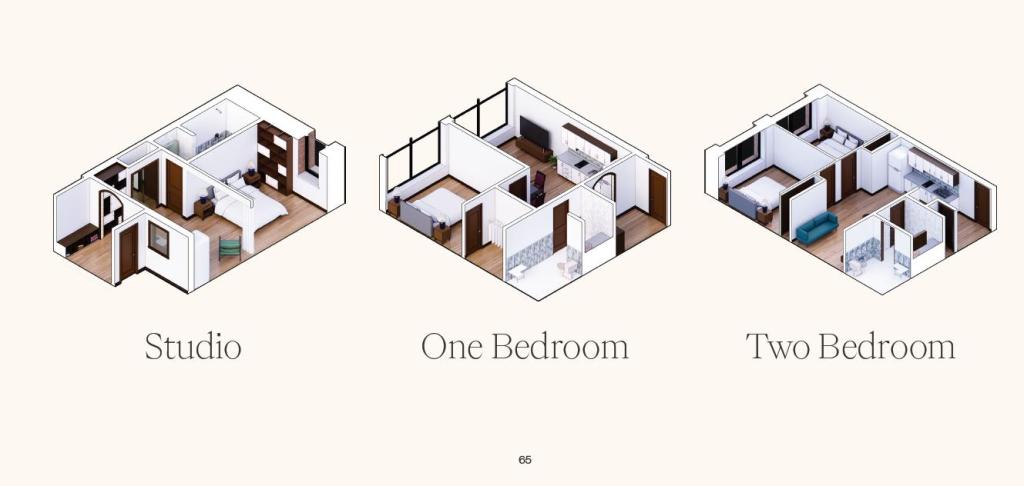
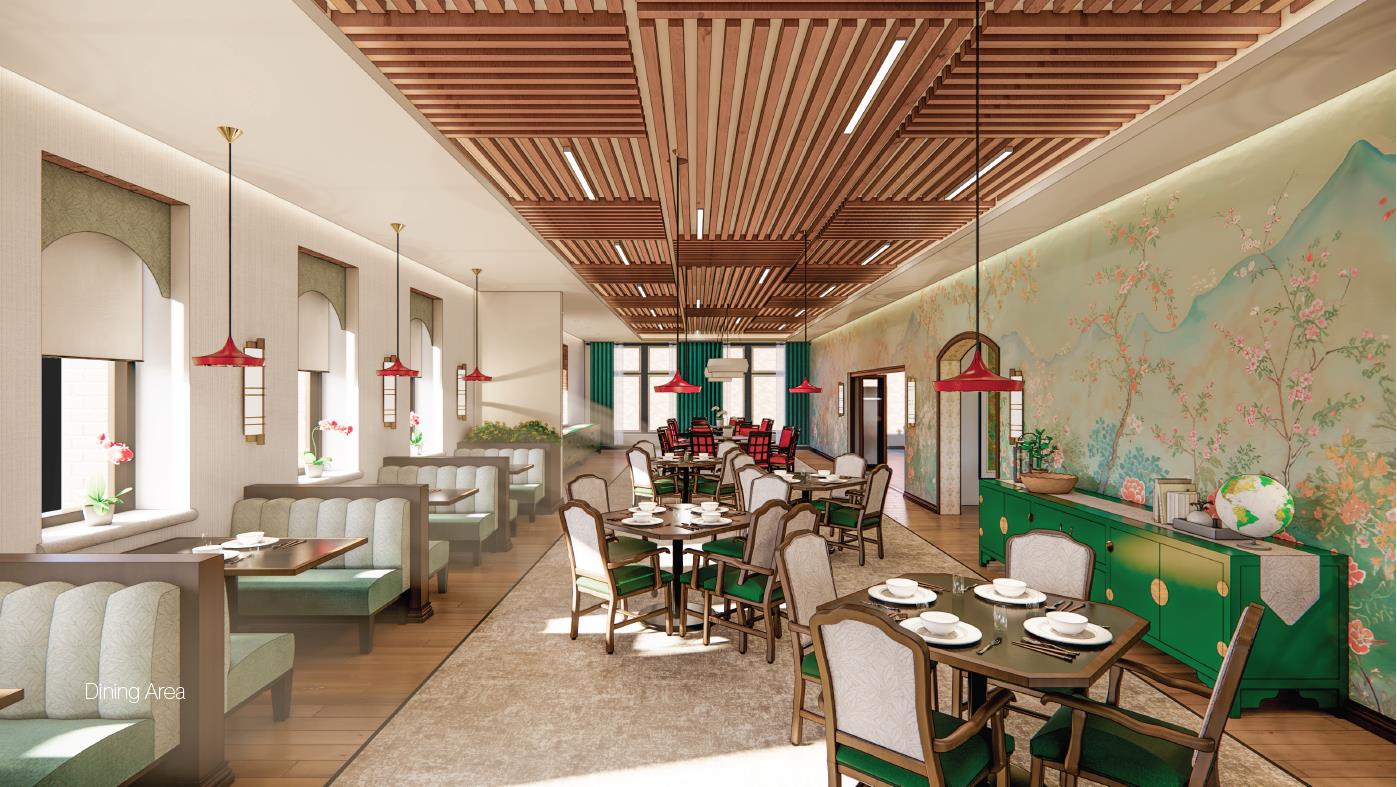
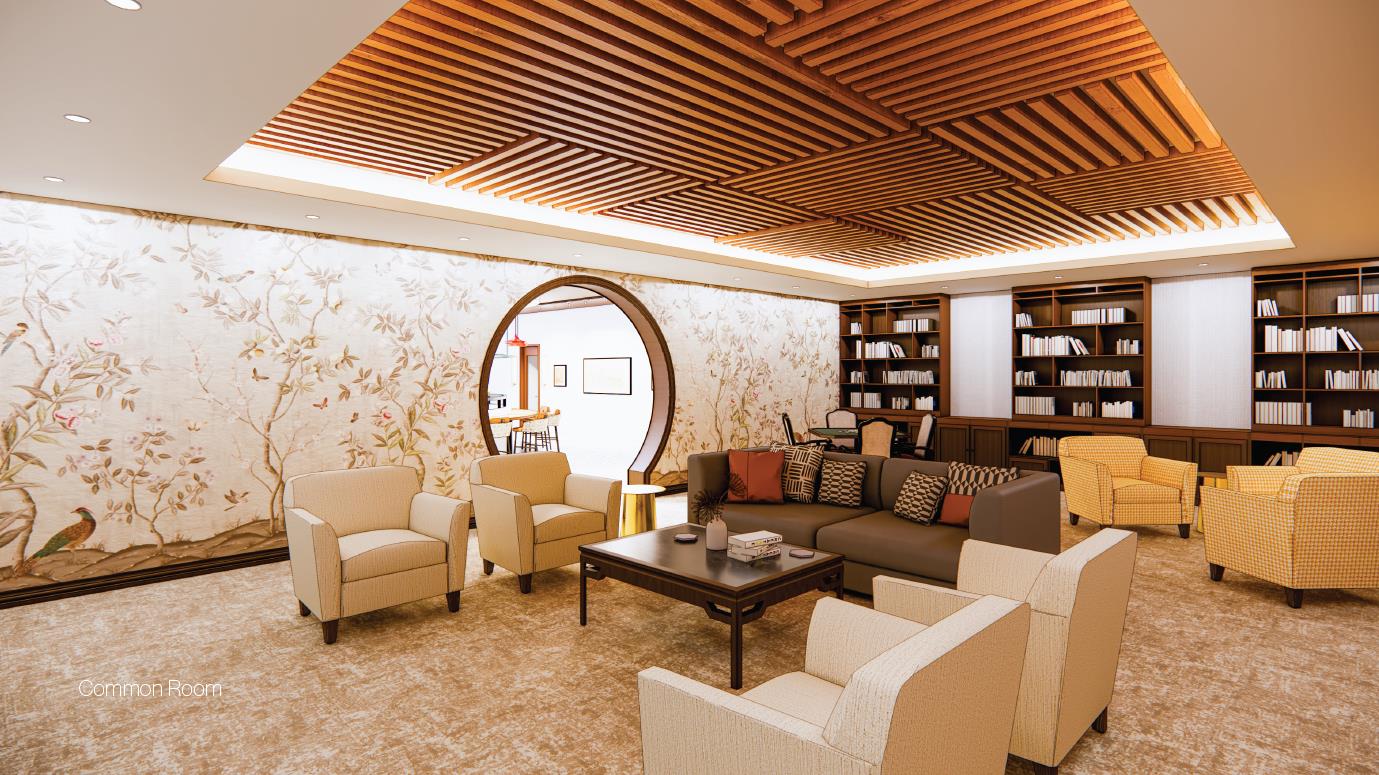
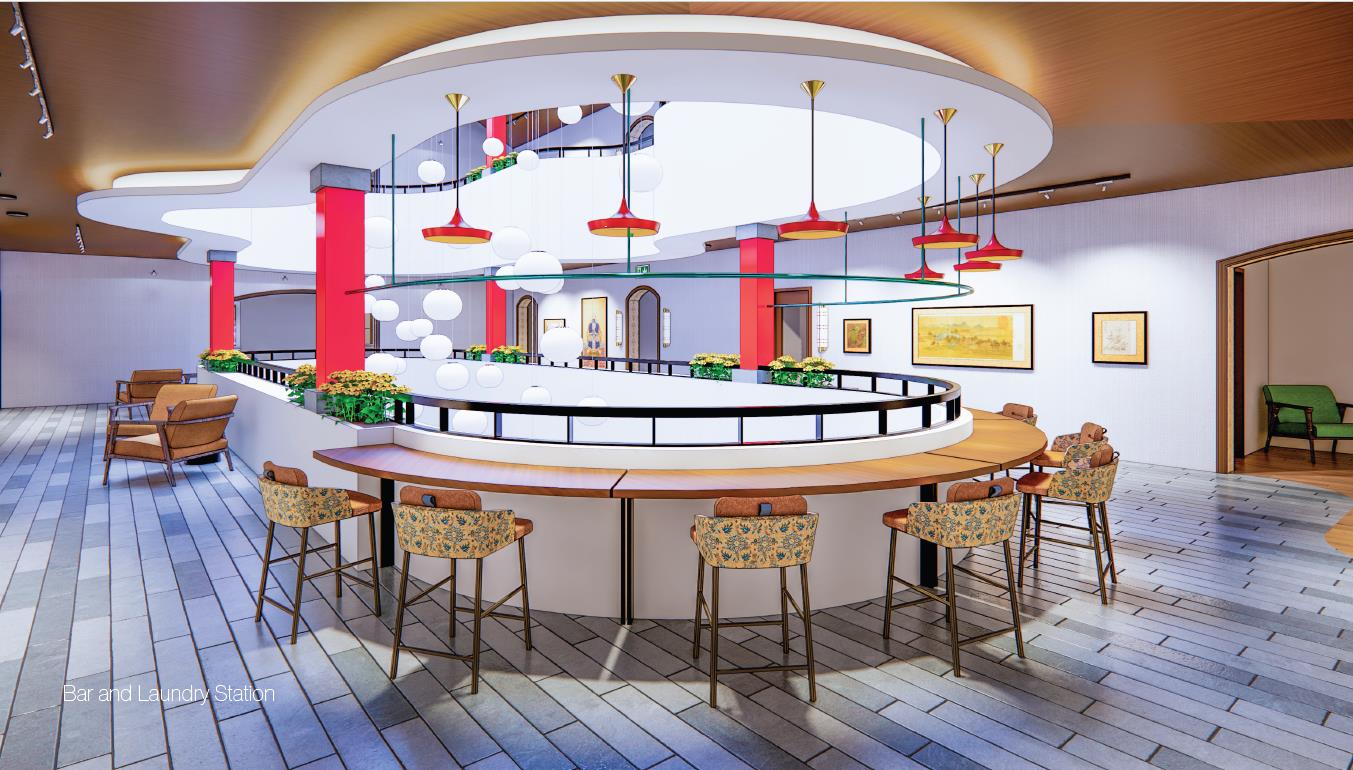
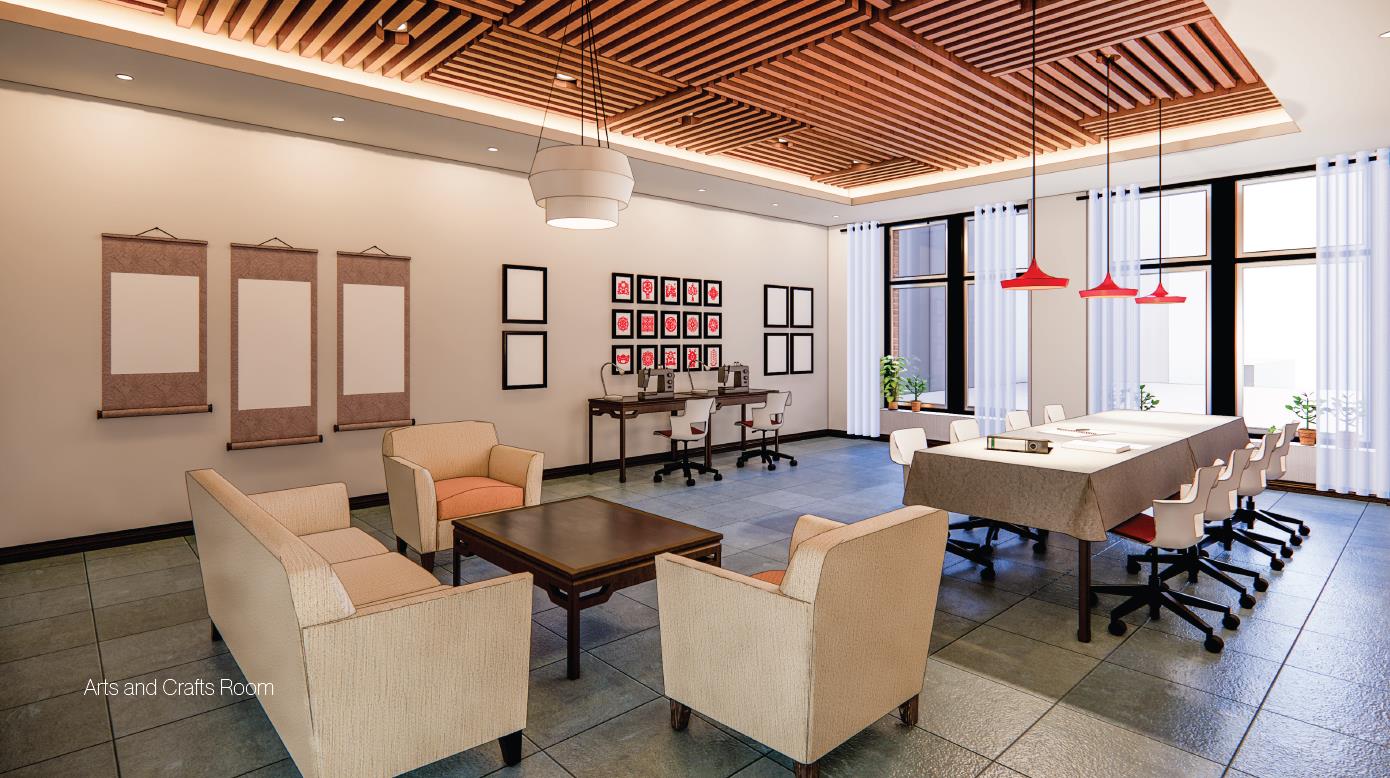
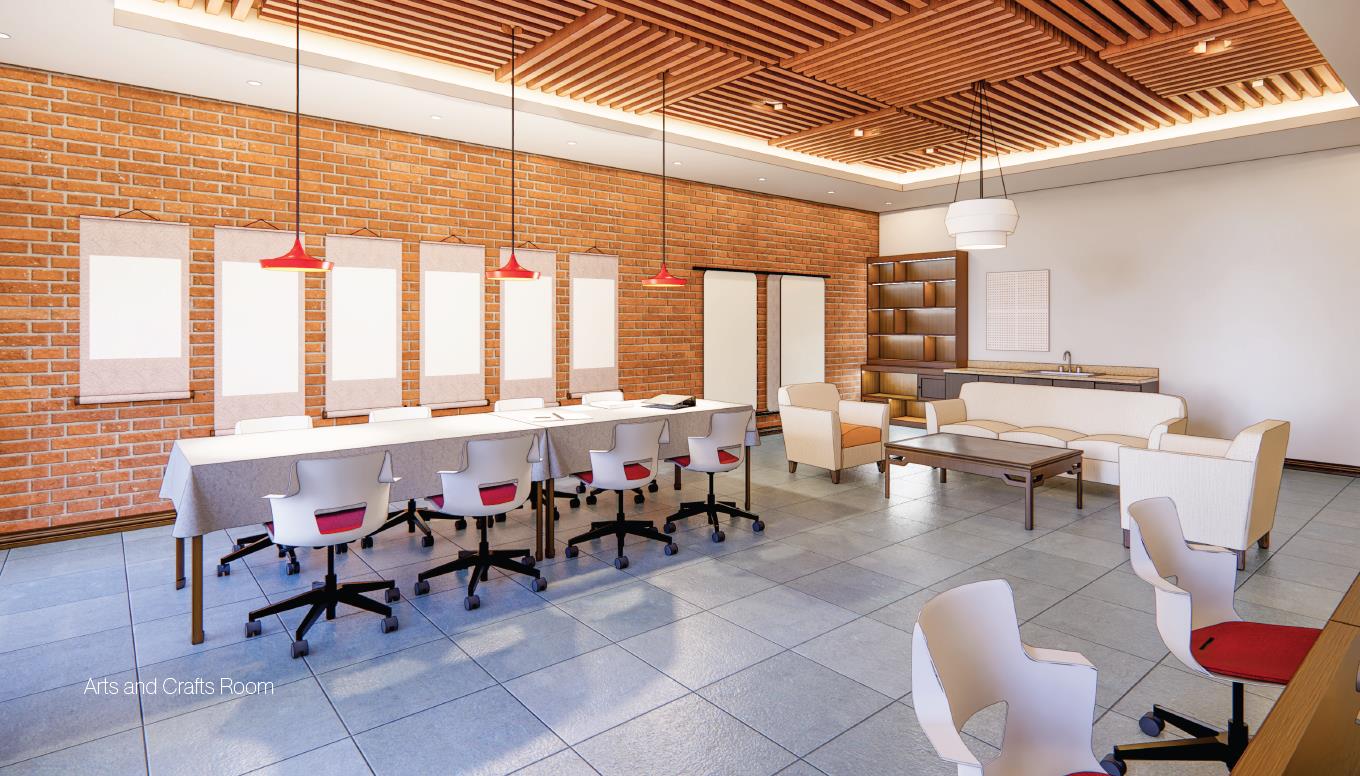
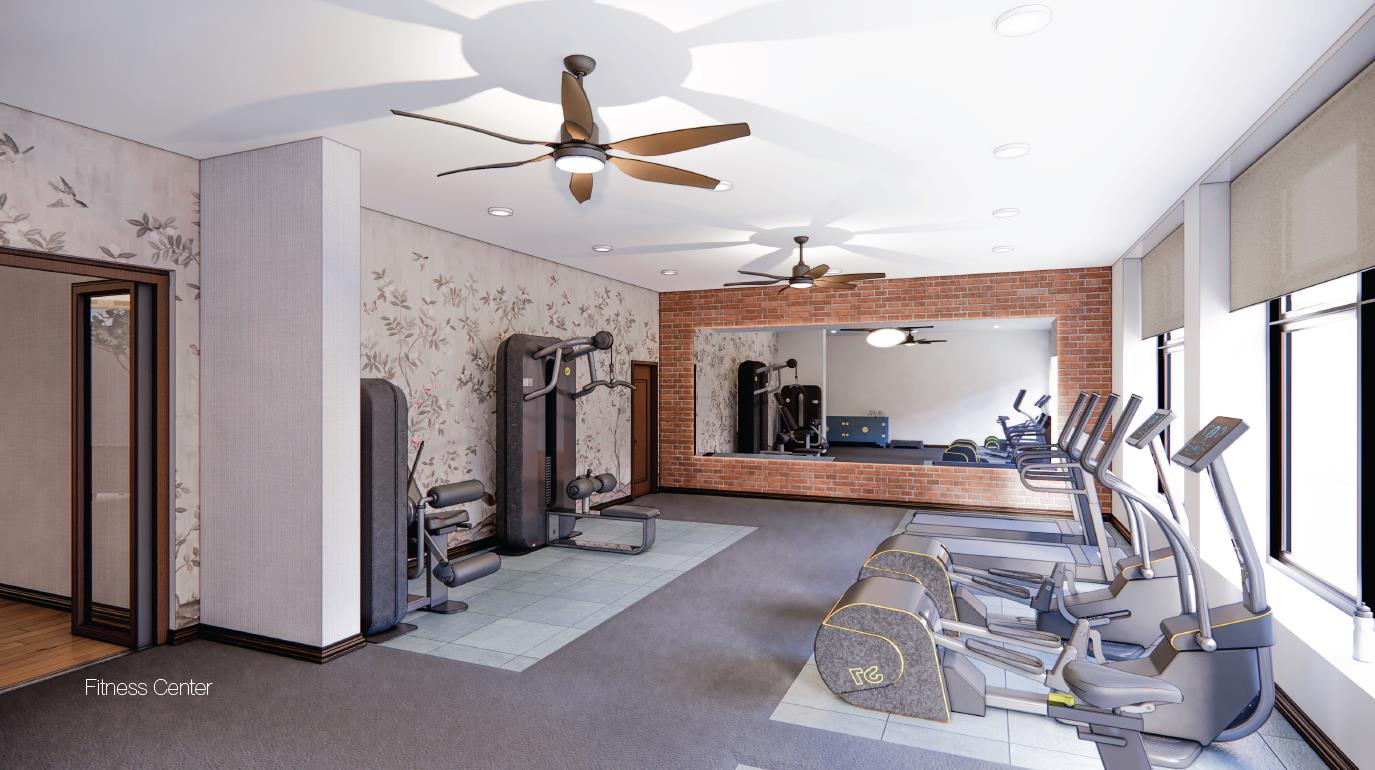
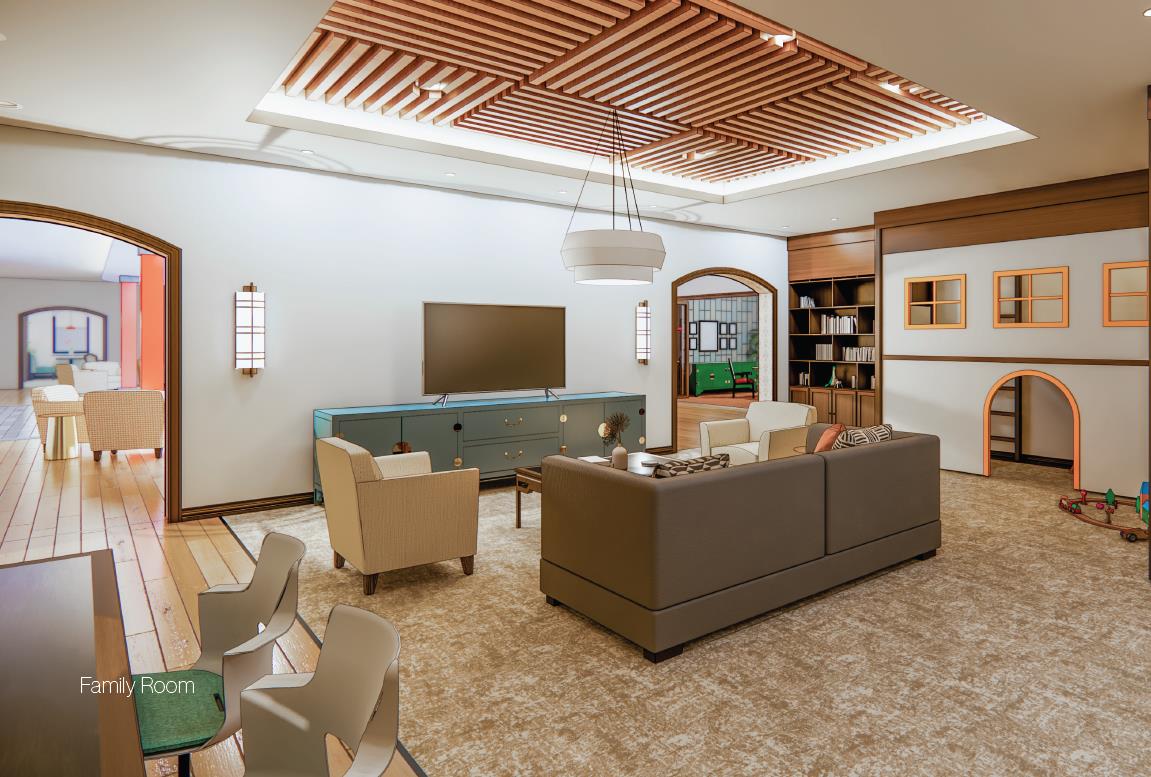
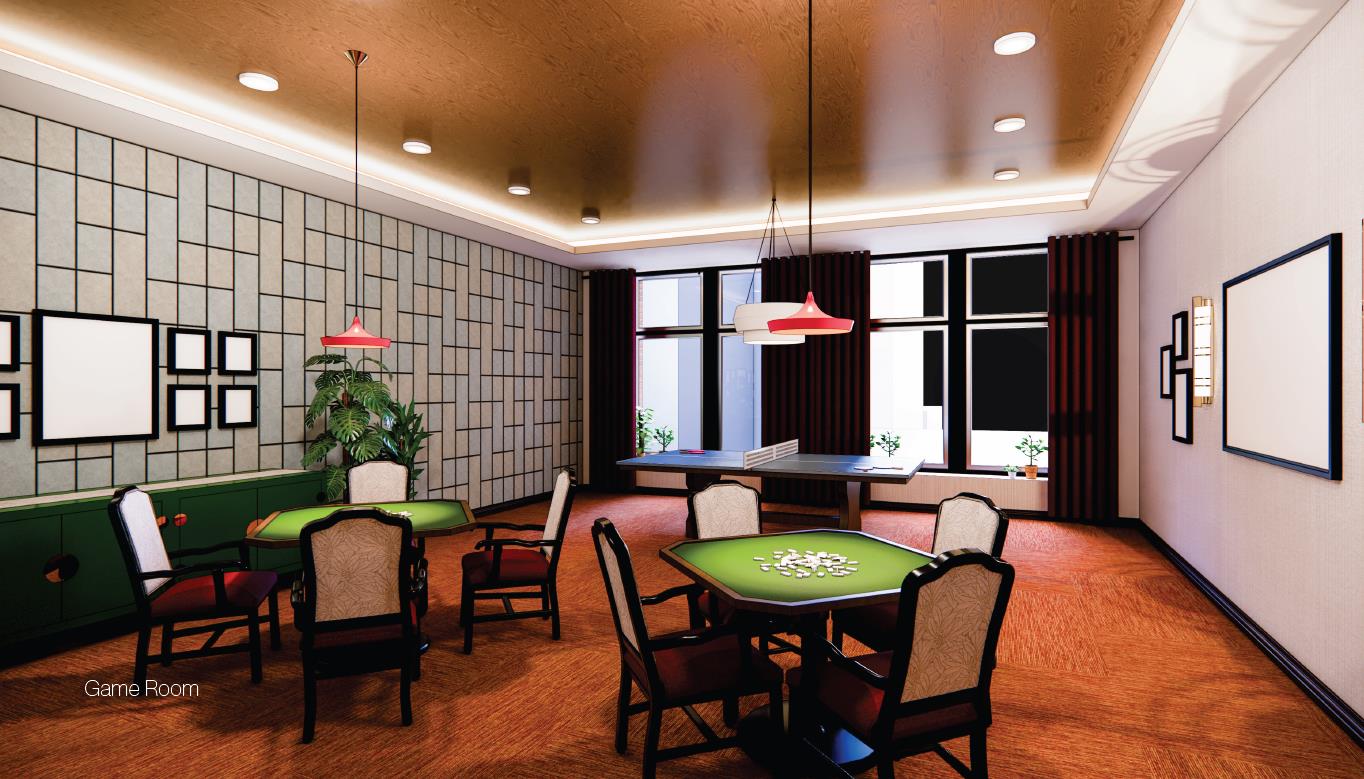
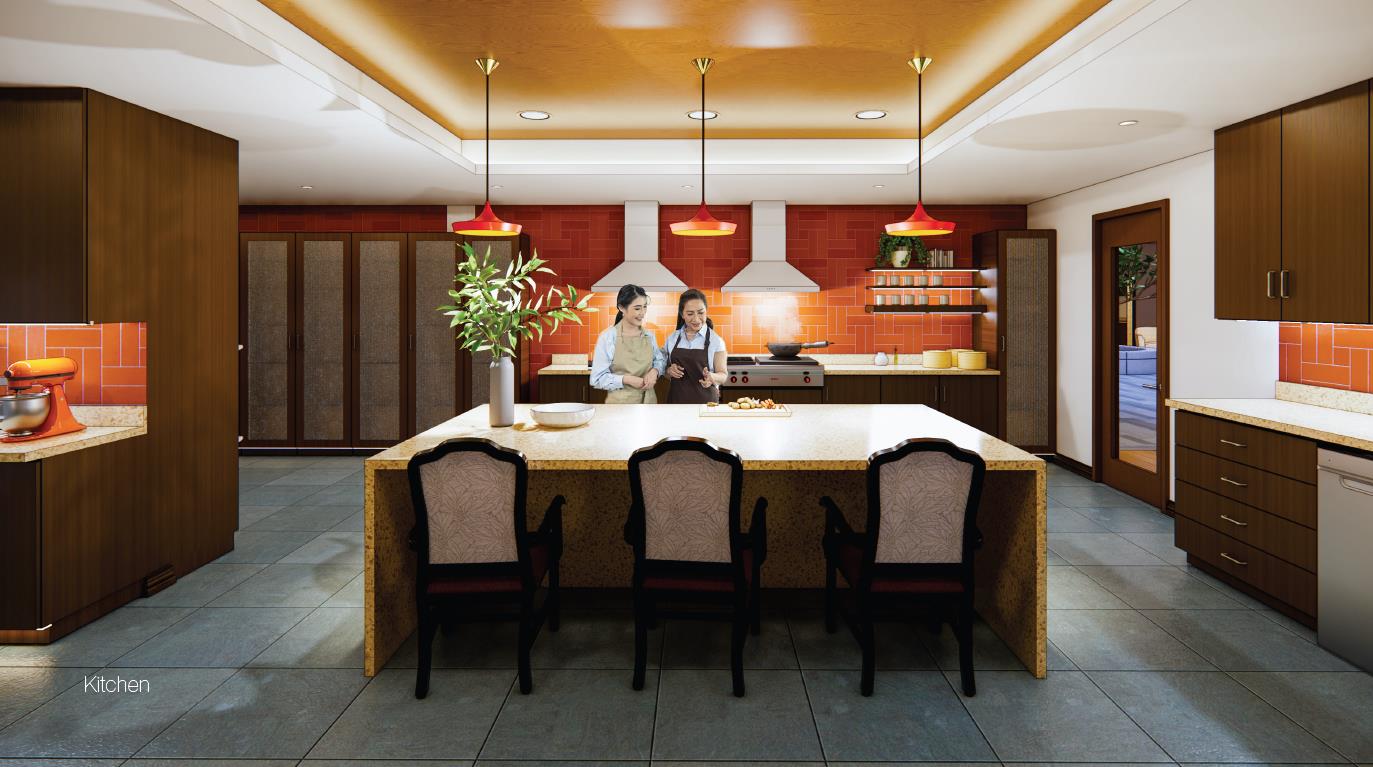
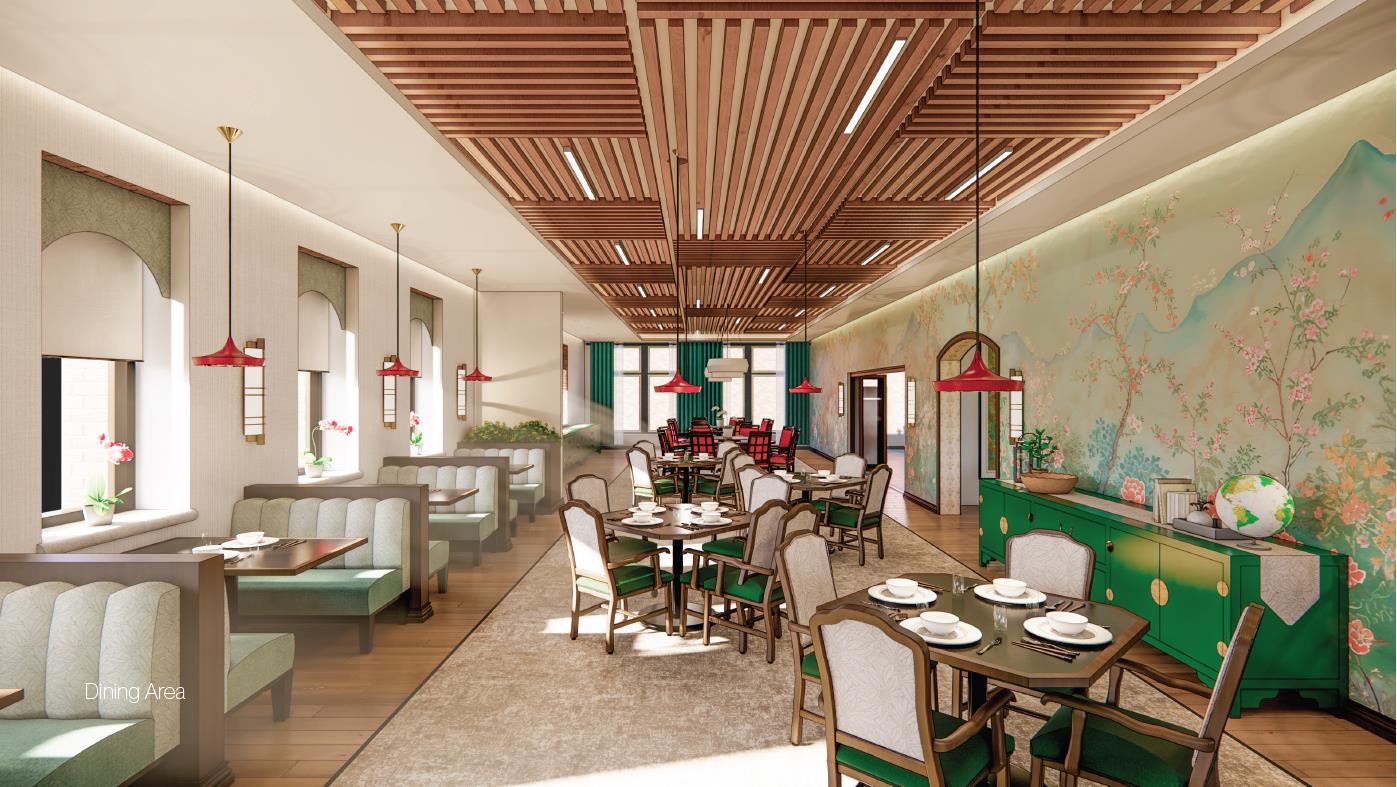
Ms. Turner in this project investigated how a cohousing model can operate as an equity-driven, systems-level intervention to address these interconnected challenges. Rooted in culturally familiar traditions of collective living and Feng Shui design philosophy, her proposal reframes housing as social infrastructure that supports aging with respect and dignity, autonomy and privacy, and community-based, culturally responsive design for belonging. She renovates an existing building to offer affordable, accessible residential units organized around a courtyard, along with designing communal spaces to encourage daily interaction, mutual aid, and peer support among the elderly Chinese residents. Multilingual wayfinding systems, culturally specific spatial cues, and integrated service hubs address language barriers while reinforcing cultural identity.
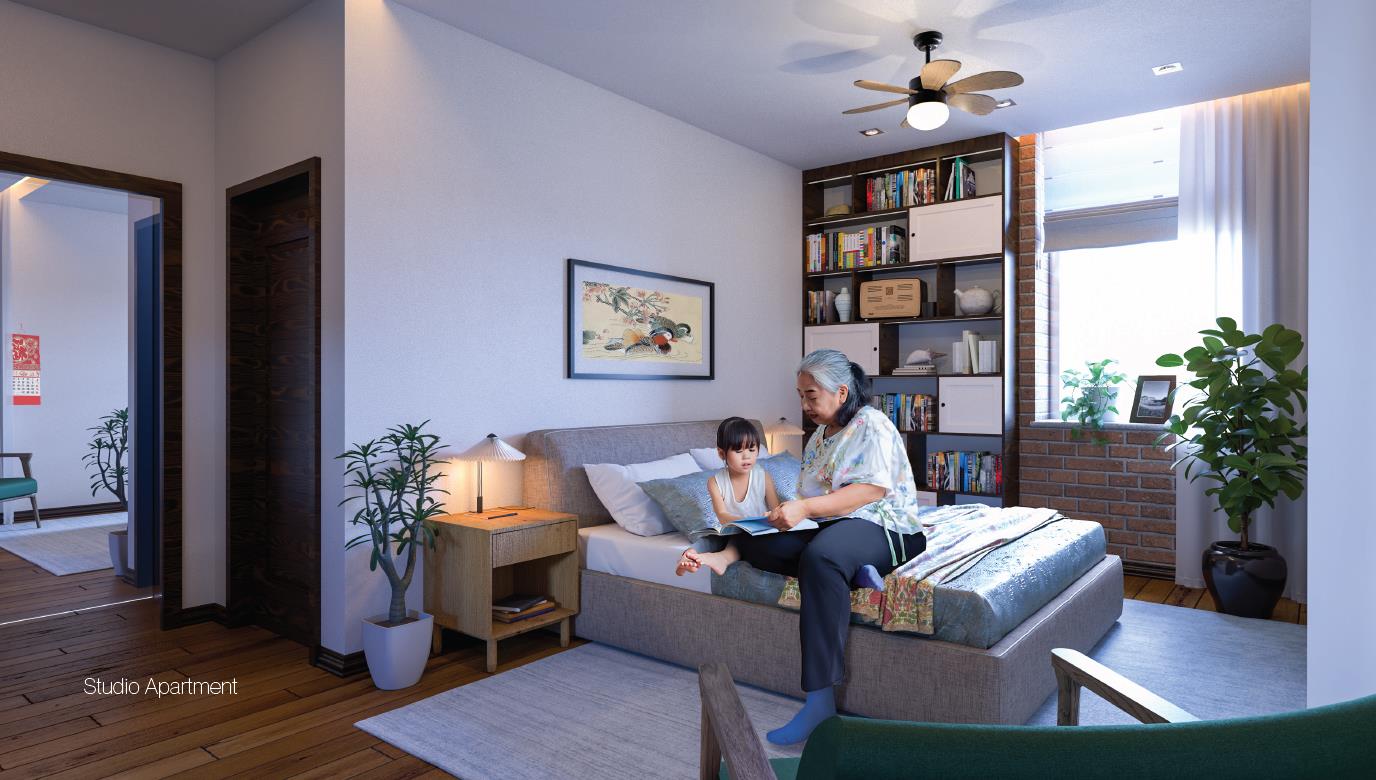
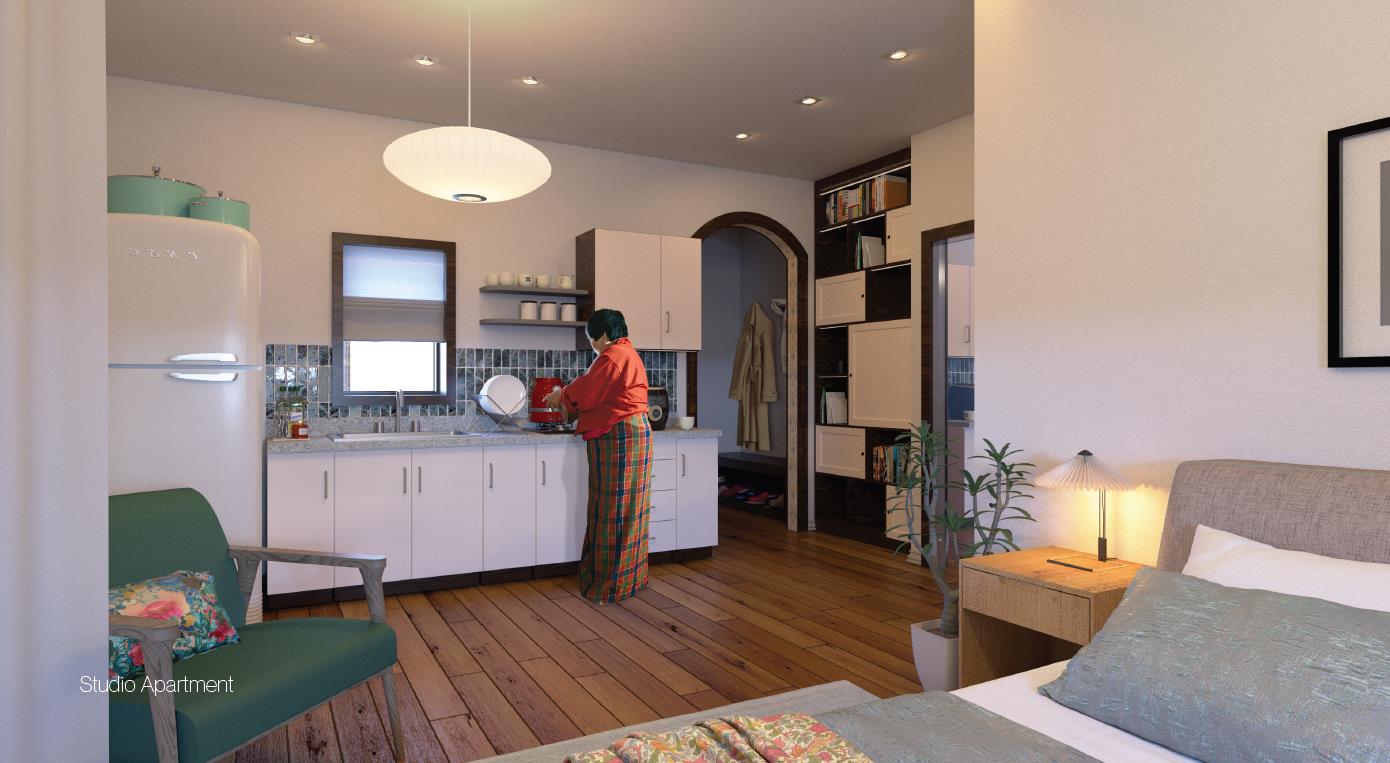
This design prioritizes inclusivity through universal design beyond ADA requirements, flexible unit configurations, and spaces for intergenerational engagement and community programming. These strategies reduce isolation, strengthen social networks, and improve access to informal care systems that are critical for immigrant senior populations. Ms. Turner designed this project to serve as a new cohousing model that integrates housing, culture, and care and can be adapted by any Chianese immigrant communities in the US or Abroad. Although designed for Chinese immigrants, her model also offers design strategies that can be adapted by any other immigrant groups. By transforming isolation into connection and affordability into resilience, this project offers a humane, community-centered model that advances social equity and improves the lived experience of aging immigrant populations.